This research examines how maternal self-efficacy develops during matrescence, the transition to motherhood. Through interviews with new mothers and analysis of the SPACE programme, it shows that confidence in parenting grows not from perfection but from supportive environments, highlighting the need to rebuild community support for new mothers.

This research explores how autoimmune disease affects identity in young adults. Interviews with 25 New Zealanders revealed that diagnosis reshapes identity, relationships with the body, and perceptions of disability. The findings suggest that supporting identity—not just treating disease—could improve health behaviours, wellbeing, and long-term outcomes for people with autoimmune conditions.
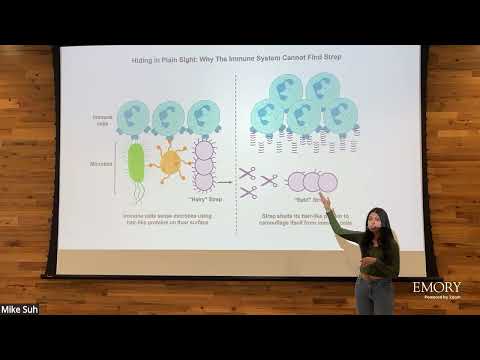
This research reveals how Streptococcus evades immune attack by shedding its hair-like surface proteins, distracting immune cells while provoking excessive immune activation. The findings provide a new explanation for how recurrent strep infections can trigger autoimmune diseases and suggest treatments should target both the bacteria and the immune response.
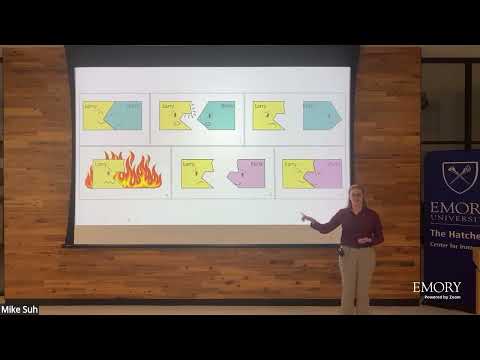
This research investigates how antiviral drug resistance develops by examining structural changes in viral proteins. Using protein crystallography, it identified why SARS-CoV-2 mutations prevent Paxlovid binding and discovered two compounds capable of inhibiting resistant viruses. The findings could guide development of more effective antivirals against future drug-resistant viral infections.
This research investigates salivary gland damage caused by radiation therapy, disease and ageing. Focusing on cellular regulation, she identifies XBP1 as a key “manager” maintaining gland structure, cell survival and saliva production. Understanding this mechanism could guide future therapies for patients living with painful, incurable salivary gland dysfunction.

This research investigates how SUMO protein labeling regulates DNA repair after damage caused by sunlight and other stresses. Using yeast as a model organism, the study shows that SUMO helps recruit and remove repair proteins at damaged DNA sites. Understanding these signaling mechanisms may improve cancer prevention and treatment strategies.
2025
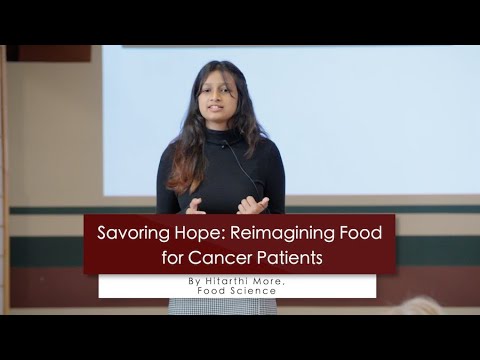
This research investigates taste alterations experienced by cancer patients during chemotherapy and radiotherapy. Using electrogustometry and flavour profile analysis, the study measures and categorizes changes in taste perception to guide the development of tailored food products that improve nutrition, comfort, and quality of life for people undergoing cancer treatment.
This research explores asthma by recreating lung airways using 3D bioprinting. By simulating low-oxygen conditions and imaging structural changes, it investigates how exaggerated immune responses narrow airways. These models enable detailed study of disease mechanisms and offer a platform to develop treatments, ultimately advancing efforts toward preventing or curing asthma.
This research investigates whether thallium exposure from 9/11 dust contributes to long-term memory loss in first responders. By linking biological samples with decades of cognitive data, findings suggest higher exposure increases risk of early Alzheimer’s indicators. The study emphasizes early detection and prevention for those exposed to environmental toxins.