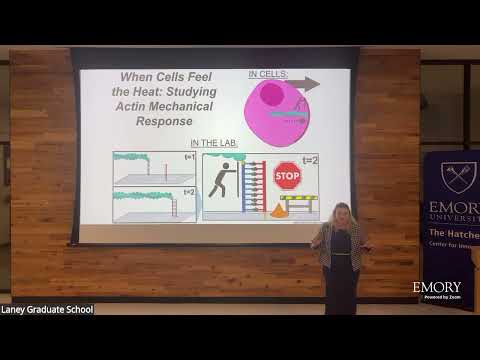
This research investigates how mechanical forces regulate cell movement using a novel DNA-based force probe. By measuring the force required to halt actin growth, it provides new insights into the mechanics of cell migration. The findings could ultimately help develop strategies to prevent cancer metastasis by controlling tumour cell movement.
This research investigates how antiviral drug resistance develops by examining structural changes in viral proteins. Using protein crystallography, it identified why SARS-CoV-2 mutations prevent Paxlovid binding and discovered two compounds capable of inhibiting resistant viruses. The findings could guide development of more effective antivirals against future drug-resistant viral infections.
This research investigates whether ordinary matter can generate enough negative energy to keep a wormhole open. Combining theoretical calculations with computer simulations, it finds that nature tightly limits negative energy, making traversable wormholes unlikely. The work highlights how science tests imaginative ideas through rigorous mathematics and physical laws.
Textile waste in Australia decomposes slowly and releases toxic chemicals. Natural fibres like cotton could be composted, but dyes and treatments hinder breakdown. This PhD develops a new compost-testing method, measures dye impacts, and identifies toxic residues. The work will inform Australia’s first composting standard and help industry choose safer, circular textile dyes.
Bowel cancer kills thousands each year, and current stool-based screening misses many cases. This PhD develops a new non-invasive method that analyzes human cells shed into stool, aiming to detect normal, pre-cancerous, and cancerous changes more accurately. The goal is a more reliable, higher-participation screening tool that could replace the existing national test.
This research focuses on developing reliable blood-based biomarkers to evaluate new treatments for hereditary frontotemporal dementia. By identifying an imbalance between two key molecules, progranulin and prosaposin, the work aims to provide accurate measures of treatment effectiveness and bring hope to families carrying this devastating genetic condition
The researcher rebuilds how cells sort materials to understand Alzheimer’s and Parkinson’s diseases. Using proteins and lipids like Lego pieces, they study how a key protein, retromer, malfunctions and disrupts cell transport. With cryogenic electron tomography, they aim to model this process and guide new treatments that restore healthy cellular function.