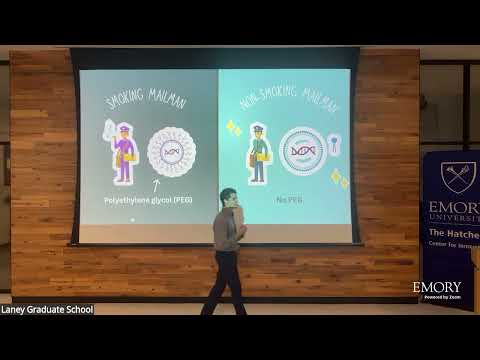
This research develops a novel PEG-free lipid nanoparticle for gene therapy. Unlike conventional nanoparticles, which trigger immune responses after repeated use, the new formulation remains stable without PEG and performs even better. The approach could enable safer repeat dosing, improve treatment effectiveness, and expand access to life-changing gene therapies.

This research investigates how antiviral drug resistance develops by examining structural changes in viral proteins. Using protein crystallography, it identified why SARS-CoV-2 mutations prevent Paxlovid binding and discovered two compounds capable of inhibiting resistant viruses. The findings could guide development of more effective antivirals against future drug-resistant viral infections.
This research develops nanoscale “smart package” delivery systems for PROTAC cancer drugs. Antibody nanogel conjugates selectively target cancer cells, enter them, and release therapeutic molecules while minimizing exposure to healthy tissue. The approach improves delivery efficiency and aims to reduce the severe side effects that often limit cancer treatment.
This project develops an “Aptamer Express,” a DNA-based Trojan horse designed to bypass the brain’s protective barriers, target tumours, and deliver cancer-killing drugs directly to brain cancer cells. The approach aims to overcome treatment resistance, improve precision, and reduce side effects, offering new hope for patients and their families.