This research develops smart, biodegradable bone scaffolds that guide regeneration in severe fractures. By delivering healing molecules directly to damaged tissue, the scaffolds promote stronger bone growth, reduce inflammation, and eliminate the need for repeated surgeries, enabling faster and more natural recovery in children.
This research explores an injectable, thermosensitive hydrogel to deliver plant-based anticancer drugs for cervical cancer. By stabilizing phytochemicals and enabling localized, controlled release, the hydrogel significantly improves tumor cell killing while reducing side effects, offering a more patient-centered and effective treatment strategy.
IBD patients have weakened gut microbes, leaving them with chronic inflammation and limited treatment options. This research engineers probiotic yeast with anchors, drug-carrying “backpacks,” and reprogrammed DNA to deliver targeted therapeutics safely and cheaply. Early results show these modified microbes could become effective, low-side-effect treatments for IBD and other gut diseases.
This project develops an “Aptamer Express,” a DNA-based Trojan horse designed to bypass the brain’s protective barriers, target tumours, and deliver cancer-killing drugs directly to brain cancer cells. The approach aims to overcome treatment resistance, improve precision, and reduce side effects, offering new hope for patients and their families.
Type 1 diabetes destroys insulin-producing cells, leaving patients dependent on lifelong injections. Islet transplants could provide freedom, but most cells die quickly. This research uses drug-loaded microparticles that protect transplanted islets, boosting survival, insulin production, and diabetes reversal. The approach could cut costs, reduce donor needs, and transform treatment for multiple diseases.
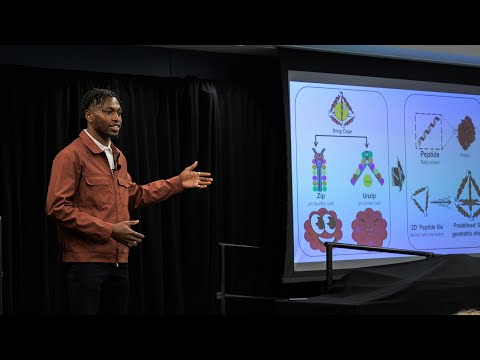
This research aims to solve the major weakness of mRNA vaccines—the need for constant cold storage—by packaging them inside ultra-stable protein “boxes” called encapsulins. These naturally robust containers protect mRNA in extreme environments. A working prototype now exists, offering the potential for globally distributable, freezer-free vaccines that remain effective anywhere.