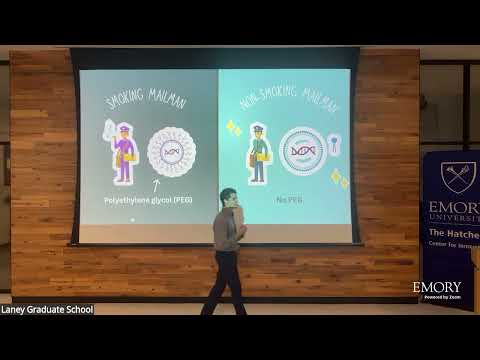
This research develops a novel PEG-free lipid nanoparticle for gene therapy. Unlike conventional nanoparticles, which trigger immune responses after repeated use, the new formulation remains stable without PEG and performs even better. The approach could enable safer repeat dosing, improve treatment effectiveness, and expand access to life-changing gene therapies.
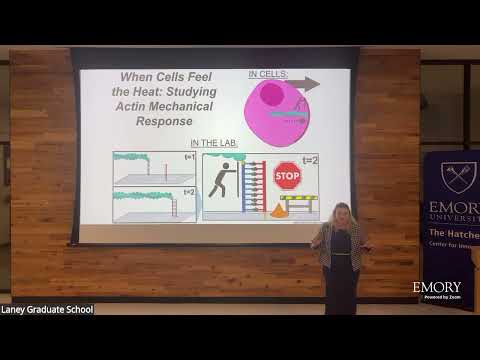
This research investigates how mechanical forces regulate cell movement using a novel DNA-based force probe. By measuring the force required to halt actin growth, it provides new insights into the mechanics of cell migration. The findings could ultimately help develop strategies to prevent cancer metastasis by controlling tumour cell movement.
This research investigates how bacterial biofilms alter the mechanical properties of infected skin to improve microneedle-based drug delivery. By measuring tissue stiffness, structural integrity, and puncture resistance, it provides the evidence needed to design microneedles that can effectively penetrate biofilms, deliver antibiotics directly, and improve treatment of chronic wound infections.
This research develops self-sterilising polymer coatings that become highly acidic when exposed to moisture, rapidly destroying harmful bacteria such as MRSA and E. coli. Designed for hospitals, classrooms, and other high-contact surfaces, these materials could reduce infections without harsh chemicals, helping prevent the spread of antibiotic-resistant bacteria.
This research engineers peptide-based "drug cages" that assemble like molecular zippers to deliver medicines only at their intended target. Inspired by natural protein structures, these programmable nanostructures could dramatically reduce chemotherapy side effects by releasing drugs precisely where needed, improving treatment effectiveness while protecting healthy tissues.
This research develops 3D-printed hydroxyapatite scaffolds that actively stimulate bone regeneration. Unlike traditional bone grafts, these synthetic scaffolds recruit stem cells and encourage new bone formation. Animal studies show promising healing results, raising the possibility of personalised, patient-specific implants that improve recovery from severe bone injuries and defects.
This research develops biodegradable “living” water filters grown from kombucha cellulose membranes. Unlike conventional plastic filters, these biofilters can self-defend against harmful microbes and self-repair when damaged. The work aims to create affordable, sustainable, and effective water filtration systems that reduce plastic waste while improving access to clean drinking water.
This research develops a new chemical process for modifying cellulose while keeping it in water, overcoming longstanding compatibility problems between cellulose and oil-soluble molecules. The method enables cellulose to incorporate electronic and pharmaceutical components, opening pathways toward sustainable electronics, advanced materials, targeted medicines, and greener technologies based on renewable natural resources.
This research addresses the short lifespan of dental fillings by drawing inspiration from natural tooth structure. Using physics-based simulations, it designs materials with improved bonding and durability. The work has broader applications in aerospace, implants, and protective materials, demonstrating how bio-inspired engineering can enhance performance across multiple high-stress environments.
This research explores asthma by recreating lung airways using 3D bioprinting. By simulating low-oxygen conditions and imaging structural changes, it investigates how exaggerated immune responses narrow airways. These models enable detailed study of disease mechanisms and offer a platform to develop treatments, ultimately advancing efforts toward preventing or curing asthma.
Pagination
- Page 1
- Next page