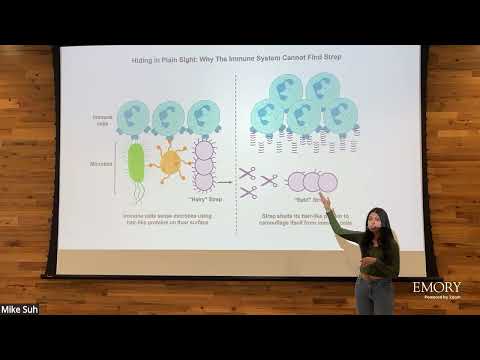
This research reveals how Streptococcus evades immune attack by shedding its hair-like surface proteins, distracting immune cells while provoking excessive immune activation. The findings provide a new explanation for how recurrent strep infections can trigger autoimmune diseases and suggest treatments should target both the bacteria and the immune response.
2026
This research investigates how Pseudomonas aeruginosa adapts to drinking water systems before causing human infections. By identifying a previously unknown gene essential for biofilm formation and survival, the work provides new insight into how dangerous bacteria prepare for infection and reveals potential targets for preventing disease before it develops.

2025
This research investigates how the alga Epithemia sustains productivity in California's Eel River by fixing atmospheric nitrogen. Using stable isotope analysis, it shows that Epithemia supplies almost all the nitrogen supporting algal growth, revealing a critical ecological process underpinning river food webs and the conservation of salmon ecosystems.
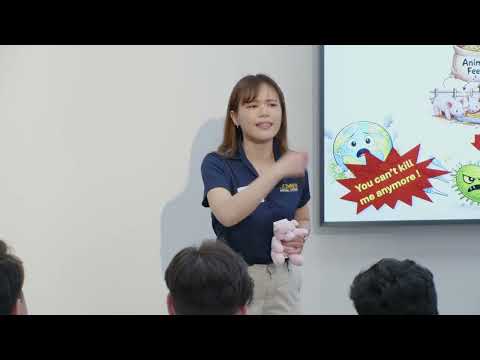
This research investigates glutamate as an alternative to antibiotics for treating diarrhoea in piglets. Early separation from their mothers causes stress, weakening immunity and increasing infection risk. Supplementing piglets with glutamate improved gut health, reduced diarrhoea, and enhanced growth, offering a potential strategy to reduce antibiotic resistance.
This research develops antibacterial nanostructured surfaces inspired by natural materials such as cicada wings. The engineered surfaces physically rupture bacteria using nanoscale needle-like structures, avoiding traditional antibiotics and reducing the likelihood of antibiotic resistance. The technology could improve infection control in medical devices, implants, and hospital environments.
2026
This research develops biodegradable “living” water filters grown from kombucha cellulose membranes. Unlike conventional plastic filters, these biofilters can self-defend against harmful microbes and self-repair when damaged. The work aims to create affordable, sustainable, and effective water filtration systems that reduce plastic waste while improving access to clean drinking water.
Using a Twilight analogy, this research explains antibiotic-resistant bacteria as “vampires” protected by membranes. By crystallizing membrane proteins and analyzing them with X-ray techniques, the study reveals their structure and function. This enables precise drug design to block these proteins, potentially overcoming antibiotic resistance and targeting harmful bacteria more effectively.

2026
This research addresses rural water scarcity in Colombia by developing a household treatment system combining filtration and solar disinfection. Using engineering models, it optimizes flow, pathogen inactivation, and sunlight exposure to ensure reliability. The approach delivers safe, simple, and sustainable water access, reducing disease and improving quality of life in underserved communities.

2026
This talk traces the devastation of the Black Death to highlight a modern crisis: antibiotic resistance. Misuse of antibiotics accelerates the rise of superbugs. Using AI and machine learning, the research identifies genetic resistance patterns and guides effective treatments, aiming to improve clinical decisions and prevent a return to a pre-antibiotic era.

This research examines how microorganisms in maple sap influence the quality of maple syrup. By studying bacteria such as Pseudomonas and Duganella, the project explores how environmental factors like temperature and iron availability shape microbial interactions during the tapping season, ultimately affecting syrup flavor, color, and overall production.