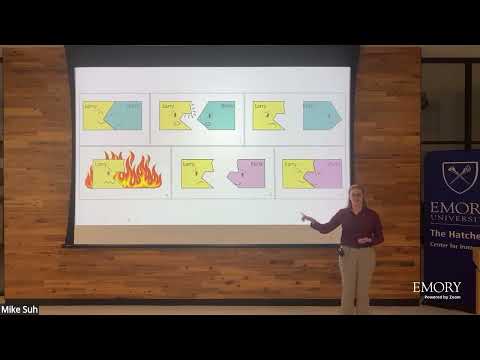
This research investigates how antiviral drug resistance develops by examining structural changes in viral proteins. Using protein crystallography, it identified why SARS-CoV-2 mutations prevent Paxlovid binding and discovered two compounds capable of inhibiting resistant viruses. The findings could guide development of more effective antivirals against future drug-resistant viral infections.
2025
This research develops Roblonski, a compact robotic platform that automates photoredox chemistry using microscopic droplets and visible light. By reducing chemical use, waste, and manual effort by over 90%, it generates high-quality data for AI-driven discovery, paving the way for faster, greener, and more intelligent self-driving chemistry laboratories.

This research develops an affordable, scalable platform for recording electrical activity from brain organoids. Using innovative basket-shaped sensors made from a low-cost conductive material, the system enables simultaneous recording from dozens of mini-brains, accelerating drug discovery and improving our understanding of brain diseases with more human-relevant laboratory models.
2025
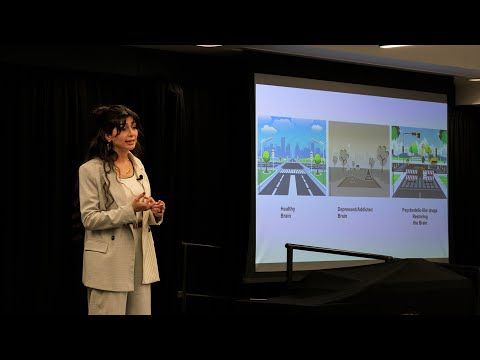
This research develops automated tools to identify psychedelic-inspired compounds that restore lost neural connections associated with depression, anxiety, and addiction. Using advanced imaging and custom analysis software, the project screens potential therapeutics that promote neuronal growth, aiming to create treatments that repair brain circuitry rather than simply managing symptoms.
2026
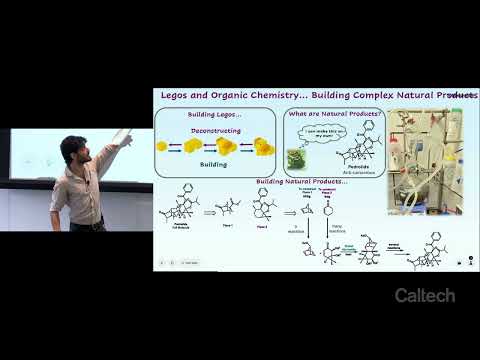
This research focuses on the total synthesis of natural products, biologically important molecules produced by nature. Using pedrolide, an anticancer compound, as a case study, the work applies strategic molecular “deconstruction” to identify simple building blocks and develop laboratory methods for assembling complex natural molecules through innovative organic chemistry.

This research explores endophytes—fungi living symbiotically within plants—that produce bioactive compounds aiding plant defense and growth. These compounds have led to major medical breakthroughs like antibiotics and immunosuppressants. Studying endophytes in crops may uncover new drugs and agricultural benefits, highlighting nature’s vast, largely untapped biochemical potential.
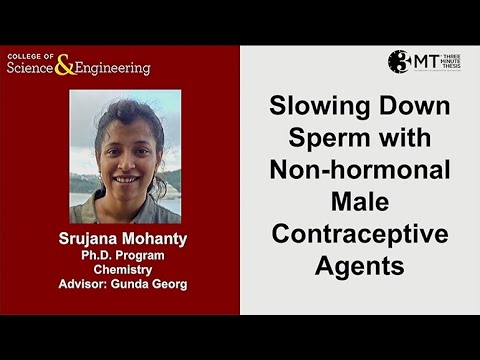
2025
This research develops a non-hormonal male contraceptive by blocking two sperm proteins, Catsper and SLO3, that enable hyperactivated “power swimming” required for fertilization. By designing molecules that inhibit these proteins, the project aims to create a safe, reversible contraceptive option that avoids hormonal side effects.

2025
This research addresses antibiotic resistance by developing new compounds effective against Pseudomonas aeruginosa. Using engineered Streptomyces albus, it produces uridyl peptide antibiotics with a triple-target mechanism that reduces resistance risk. The work focuses on purification and chemical optimization to create more effective, clinically viable antibiotics for future infections.
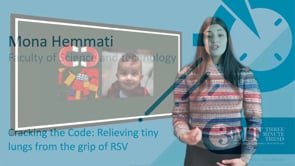
Respiratory Syncytial Virus (RSV) hospitalises thousands of children each year, yet effective treatments remain unavailable. This research investigates a critical protein–protein interaction that enables RSV infection. By identifying and disrupting key molecular binding sites using AI, the work aims to support the development of targeted antiviral therapies for severe RSV.

Mental health disorders disrupt neural connections in the brain, yet most treatments only manage symptoms. This research explores psychedelic-inspired drugs that restore lost brain connections without hallucinogenic effects, using automated imaging tools to identify compounds that rebuild neural structure and offer lasting recovery.