Type 1 diabetes affects millions worldwide and often begins in childhood, with no cure or prevention. This research uses early-life blood samples and single-cell immune profiling to identify genetic changes in immune cells before disease onset. The findings reveal new biomarkers that could enable early detection, targeted therapies, and future disease prevention.

 

This research uses linked provincial health data to measure the population burden of coeliac disease in Alberta. By identifying diagnosis rates, care gaps, and early-life risk factors, the work informs healthcare planning and policy. The findings highlight rising diagnoses in children and the long-term personal and economic impact of a lifelong, diet-based condition.

Respiratory Syncytial Virus (RSV) hospitalises thousands of children each year, yet effective treatments remain unavailable. This research investigates a critical protein–protein interaction that enables RSV infection. By identifying and disrupting key molecular binding sites using AI, the work aims to support the development of targeted antiviral therapies for severe RSV.

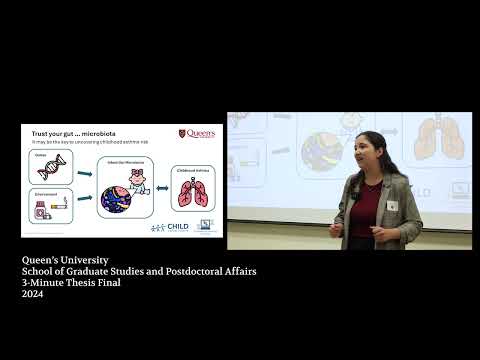
This research investigates how the infant gut microbiota influences childhood asthma risk. By studying microbes from infant diapers, the project identifies protective and harmful bacteria, explores the effects of genetics and environmental exposures, and highlights opportunities for early intervention and probiotic-based prevention. Understanding gut–immune interactions may transform childhood asthma prevention.