This research investigates the protein SLX4, a key coordinator of DNA repair. Using complementary techniques, it identifies 221 interacting proteins, most previously unknown. Findings reveal a complex network involved in genome maintenance, offering new insights into cellular repair mechanisms and improving understanding of diseases such as cancer.
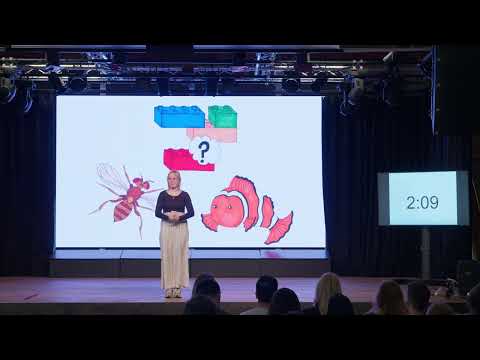
This research uses fruit flies to study the STING immune pathway, revealing how cells detect viral infections. By identifying Nemo as a missing connector protein active only during infection, the work clarifies how immune responses are triggered. These insights may guide future therapies that balance antiviral defense while limiting immune damage.

Respiratory Syncytial Virus (RSV) hospitalises thousands of children each year, yet effective treatments remain unavailable. This research investigates a critical protein–protein interaction that enables RSV infection. By identifying and disrupting key molecular binding sites using AI, the work aims to support the development of targeted antiviral therapies for severe RSV.

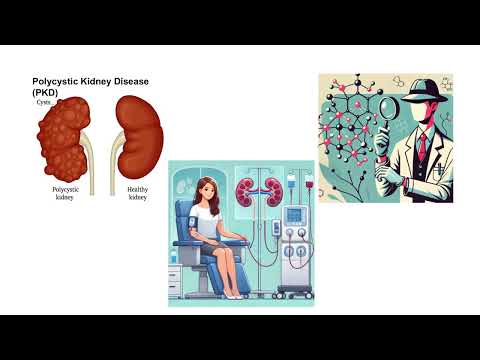
The speaker studies polycystic kidney disease by identifying missing or damaged proteins that destabilize the kidney’s filtration network. Using BioID and mass spectrometry, they map healthy versus diseased protein interactions to pinpoint weak spots. This work aims to enable targeted therapies and personalised treatments for PKD patients.