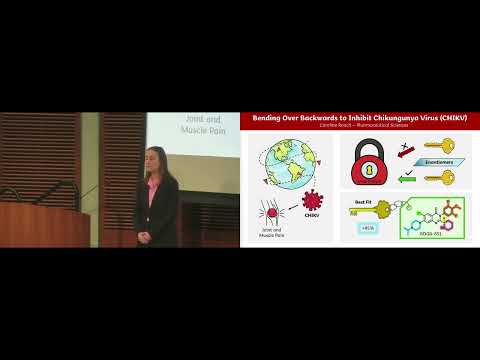
This research develops small-molecule treatments for chikungunya virus using a lock-and-key approach targeting viral proteins. A key challenge—molecular orientation (enantiomers)—was addressed with a new synthesis method producing over 95% effective molecules. The optimized compound, BDGR-651, shows promise as a future antiviral treatment for this debilitating disease.
Acute respiratory distress syndrome (ARDS) causes severe breathing failure and kills tens of thousands annually, yet has no effective treatment. This research studies how ARDS disrupts lung surfactant, a critical stabilizing substance in the lungs. By identifying immune-related factors that damage surfactant, the work aims to develop the first targeted therapeutic cure.
This research uses fruit flies to study the STING immune pathway, revealing how cells detect viral infections. By identifying Nemo as a missing connector protein active only during infection, the work clarifies how immune responses are triggered. These insights may guide future therapies that balance antiviral defense while limiting immune damage.
Epilepsy affects millions worldwide and can limit everyday activities. Some forms arise from genetic mutations in GABAA_AA receptors, disrupting the balance between brain excitation and inhibition. This research examines how these mutations reduce receptor levels and explores drug strategies to restore inhibition, paving the way for improved epilepsy treatments.
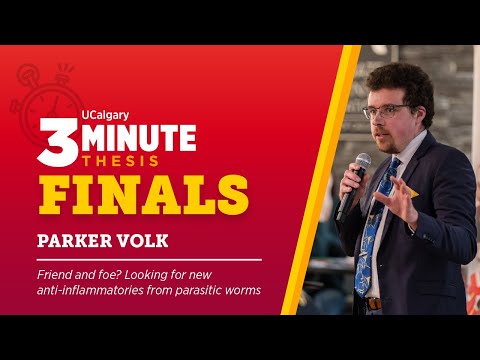
This research explores how parasitic tapeworms suppress the immune system and how their mechanisms could inspire new treatments for autoimmune diseases. As infections decline, autoimmune conditions rise. Studying rat tapeworm–derived extracellular vesicles, the lab investigates how these molecular signals reprogram inflammatory macrophages, potentially leading to novel therapies that safely regulate immune dysfunction.
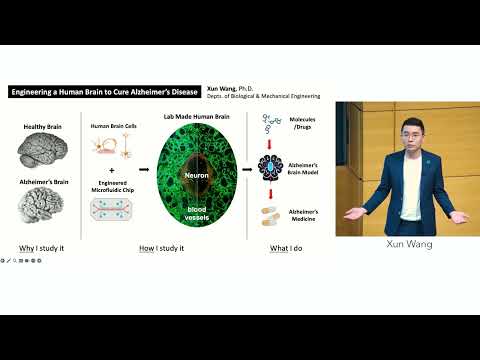
This research develops one of the most advanced human-engineered brain models to better study Alzheimer’s disease and test treatments. Using microfluidic chips containing all key brain cell types, blood-vessel systems, and Alzheimer’s-model neurons, the project enables efficient drug testing, personalised disease modelling, and the possibility of replacing animal testing in the search for a cure.
This research targets the earliest stage of allergic and asthmatic immune reactions by blocking key cytokine “messages” sent from T cells to B cells. Using drug-discovery techniques, the project identifies compounds that prevent immune overreaction before symptoms begin, aiming to develop a new class of long-lasting preventative allergy and asthma treatments.
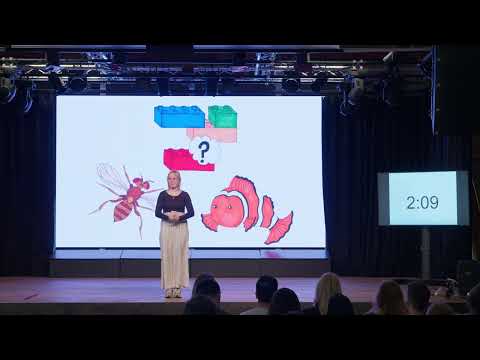
The researcher rebuilds how cells sort materials to understand Alzheimer’s and Parkinson’s diseases. Using proteins and lipids like Lego pieces, they study how a key protein, retromer, malfunctions and disrupts cell transport. With cryogenic electron tomography, they aim to model this process and guide new treatments that restore healthy cellular function.