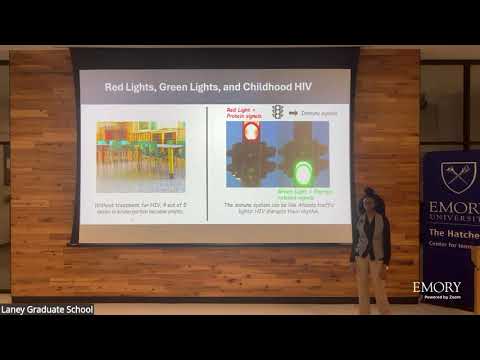
This research investigates how HIV disrupts the developing immune system in early life. Using a baby monkey model of HIV infection, the study identifies immune signals that either promote or limit infection spread. The findings could guide new immune-targeted therapies that improve survival and long-term outcomes for children living with HIV.
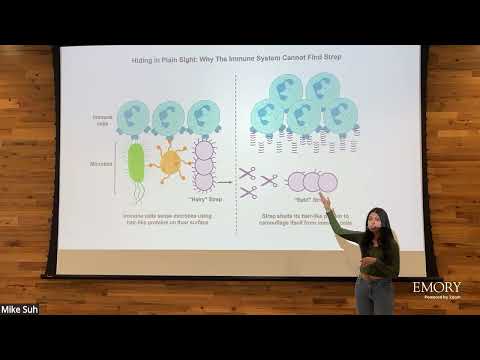
This research reveals how Streptococcus evades immune attack by shedding its hair-like surface proteins, distracting immune cells while provoking excessive immune activation. The findings provide a new explanation for how recurrent strep infections can trigger autoimmune diseases and suggest treatments should target both the bacteria and the immune response.

2025
This research explores how parasitic tapeworms suppress the immune system and how their mechanisms could inspire new treatments for autoimmune diseases. As infections decline, autoimmune conditions rise. Studying rat tapeworm–derived extracellular vesicles, the lab investigates how these molecular signals reprogram inflammatory macrophages, potentially leading to novel therapies that safely regulate immune dysfunction.