
This research examines how maternal self-efficacy develops during matrescence, the transition to motherhood. Through interviews with new mothers and analysis of the SPACE programme, it shows that confidence in parenting grows not from perfection but from supportive environments, highlighting the need to rebuild community support for new mothers.

This research investigates how New Zealand's childhood vision screening programme can better detect and treat vision problems. By trialling more frequent and accurate screening alongside fully funded school-based eye examinations, the project aims to improve eye-care access, reduce inequalities, inform national policy, and ensure every child has the opportunity to see clearly.

This research explores how autoimmune disease affects identity in young adults. Interviews with 25 New Zealanders revealed that diagnosis reshapes identity, relationships with the body, and perceptions of disability. The findings suggest that supporting identity—not just treating disease—could improve health behaviours, wellbeing, and long-term outcomes for people with autoimmune conditions.
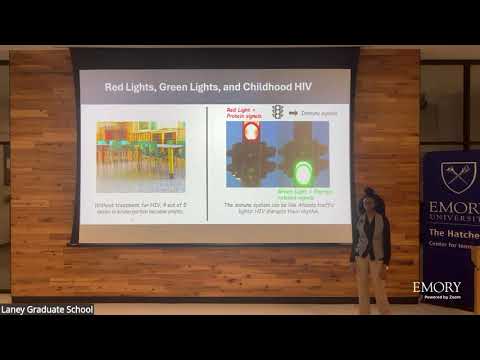
This research investigates how HIV disrupts the developing immune system in early life. Using a baby monkey model of HIV infection, the study identifies immune signals that either promote or limit infection spread. The findings could guide new immune-targeted therapies that improve survival and long-term outcomes for children living with HIV.
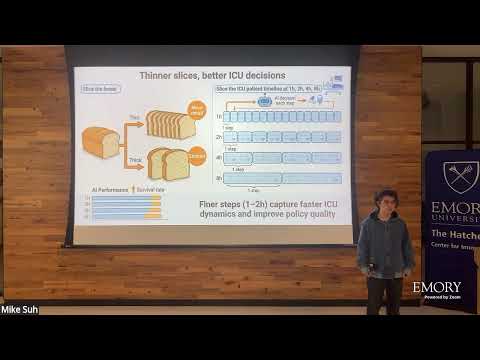
This research investigates how the choice of time interval affects reinforcement learning models for sepsis treatment in intensive care. By comparing one-, two-, four-, and eight-hour patient timelines, it demonstrates that shorter intervals better capture patient dynamics, improve estimated survival outcomes, and may enable more effective AI-assisted clinical decision-making.
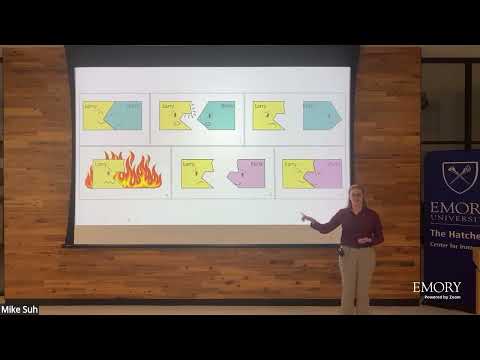
This research investigates how antiviral drug resistance develops by examining structural changes in viral proteins. Using protein crystallography, it identified why SARS-CoV-2 mutations prevent Paxlovid binding and discovered two compounds capable of inhibiting resistant viruses. The findings could guide development of more effective antivirals against future drug-resistant viral infections.

This research investigates how loneliness affects brain function across adulthood. Using brain imaging, it identifies age-related differences in activity within the caudate, a region involved in social reward processing. The findings suggest loneliness alters how people perceive social interactions, supporting the development of personalized, age-appropriate interventions to reduce chronic loneliness.

2025
This research advances health equity for neurological patients by improving health literacy, engaging communities through participatory research, and implementing evidence-based healthcare practices. By designing communication around patients' lived experiences, it aims to improve treatment adherence, reduce health disparities, strengthen caregiver support, and create more accessible, person-centered healthcare systems.

This research demonstrates how combining business management and epidemiology can improve hospital infection prevention. Through behavioral interventions, organizational audits, and patient engagement, three initiatives increased hand hygiene compliance by 15%. The work highlights the importance of interdisciplinary thinking, organizational culture, and accountability in creating safer healthcare environments.

This research quantitatively demonstrates disparities in healthcare quality experienced by transgender patients. Using objective clinical quality measures rather than personal testimony alone, it shows transgender patients receive recommended treatments less often. Encouragingly, providers with greater experience treating transgender patients deliver more equitable care, highlighting the importance of education and clinical exposure.