
This presentation examines the historical and continuing invisibility of Black women, connecting slavery with contemporary economic, workplace, religious and social inequalities. Drawing on personal experience, the speaker explores racism, patriarchy, domestic violence and Black motherhood, calling for employment equality, safer communities, solidarity and recognition of Black women’s humanity, dignity and contributions.
2025
This research examines how changing reproductive laws affect access to IVF following the Alabama embryo personhood ruling. Using interviews, observation, and policy analysis, it reveals how legal uncertainty threatens fertility treatment, reproductive autonomy, and healthcare access, while informing policies that better protect reproductive rights and family-building opportunities.

2026
This thesis examines the relationship between architecture and domestic violence, arguing that traditional ideas of home and privacy can obscure experiences of abuse. It proposes a memorial in Toronto that combines remembrance, advocacy, and community support, using architectural thresholds to promote awareness, healing, and survivor empowerment.
2026
This research explores why former human traffickers in Indonesia stopped offending. Through interviews with ten ex-traffickers, the study found that marriage and parenthood often triggered moral transformation by creating empathy and shame. The findings suggest trafficking prevention should focus not only on punishment, but also on strengthening families and social bonds.
2025
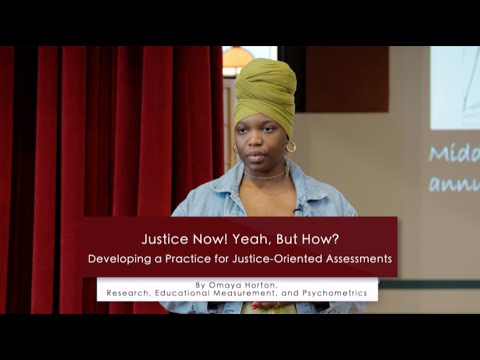
This research examines how educational assessment systems can become more just, inclusive, and culturally relevant. Using participatory action research, it proposes a five-step framework emphasizing community collaboration, anti-racist assessment design, continuous revision, and student-centered approaches that prioritize equity, engagement, identity, and educational justice over standardized measurement alone.
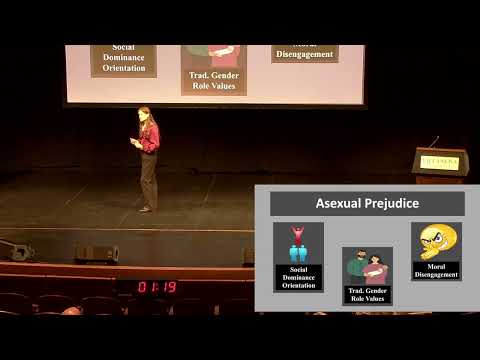
This study examines prejudice toward asexual individuals by analyzing links with social dominance orientation, traditional gender roles, and moral disengagement. Surveying 300 participants, it finds all three traits predict higher prejudice. The research advances understanding of bias mechanisms and informs future interventions to reduce discrimination against asexual individuals.
2014
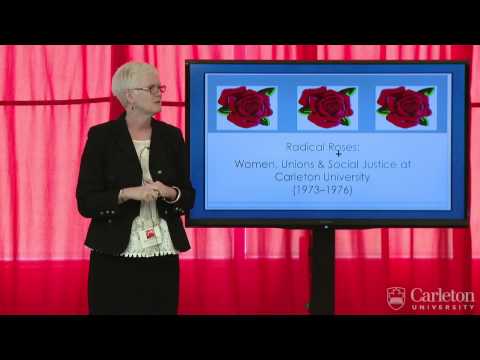
This research reinterprets unionization at Carleton University in the 1970s, showing it was driven not only by economic pressures but by feminist activism. Women leaders used unions to challenge inequality, improve working conditions, and advance social justice, reshaping assumptions about labor movements in professional, white-collar environments.
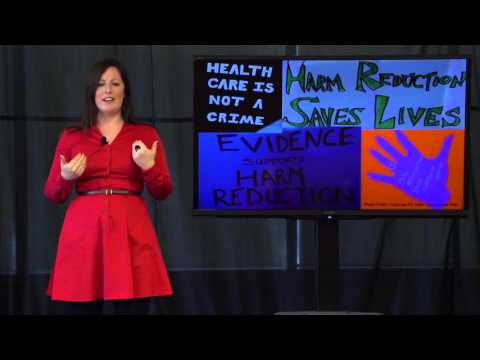
This research examines harm reduction practices and their limitations within systems of prohibition. While designed to support people without judgment, institutional rules and boundaries restrict access. Case studies reveal how these constraints can increase risks, including overdose, highlighting a gap between harm reduction philosophy and real-world implementation.

This research examines how cultural narratives of “monsters” shape legal perceptions of marginalized groups, particularly queer people of color. Using a utopian framework, it proposes equity-based reforms to the criminal justice system, addressing the intersection of race and sexuality and amplifying underrepresented voices in legal scholarship and social justice discourse.
2026
This research challenges the narrative that Buddhism in US prisons primarily serves rehabilitation. It highlights the active role of incarcerated individuals in shaping religious practice and critiques simplistic contrasts between “prisoner” and “Buddhist.” By emphasizing diversity, community, and structural conditions, it calls for a more nuanced understanding of religion within carceral systems.