
This research investigates how motion perception changes with age and how these changes are reflected in brain function. Using behavioural tasks and fMRI, the research aims to develop simple visual tests that could be used in routine eye-care settings to identify early signs of cognitive decline and support healthy ageing.
2025
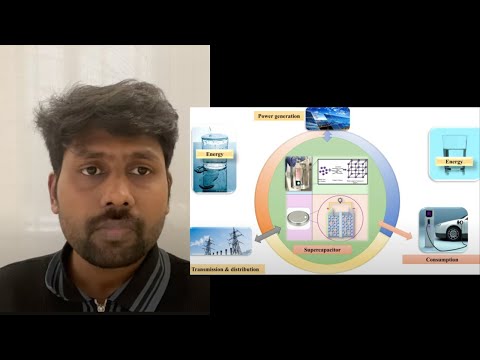
This research develops a high-performance supercapacitor using a conductive iron-based metal–organic framework. By overcoming low electrical conductivity, the material enables rapid charging and long cycle life, achieving storage performance three times higher than existing designs. The work advances next-generation energy storage solutions beyond conventional batteries.

This research explores international students as cultural ambassadors and examines how educational exchange programmes generate soft power. Using interviews with British and Taiwanese students, it analyses how study abroad experiences shape perceptions, strengthen UK–Taiwan relations, and support diplomacy by fostering mutual understanding, goodwill, and long-term international cooperation.

This research investigates how cells repair dangerous DNA double-strand breaks through the non-homologous end joining pathway. By identifying key proteins involved in this error-prone repair process, the work reveals new opportunities to sensitise cancer cells to radiation and chemotherapy, potentially improving treatment outcomes for aggressive cancers.

This research examines the ethical dilemmas behind food distribution during disasters, focusing on fairness, power, and decision-making in humanitarian aid. Through interviews in Bangladesh, it aims to develop an ethical framework to guide organisations toward just and transparent food allocation, ensuring aid preserves dignity as well as saving lives.

This research investigates the limitations of AI-driven enterprise resource planning systems in multinational corporations. Using mixed methods, it examines ethical risks, data integrity, training gaps, and system migration challenges. The study aims to help organisations implement ERP systems more effectively, reducing financial losses while critically evaluating whether AI delivers its promised efficiency.