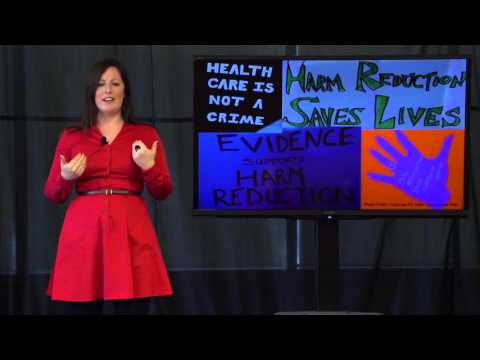
This research examines harm reduction practices and their limitations within systems of prohibition. While designed to support people without judgment, institutional rules and boundaries restrict access. Case studies reveal how these constraints can increase risks, including overdose, highlighting a gap between harm reduction philosophy and real-world implementation.
2019
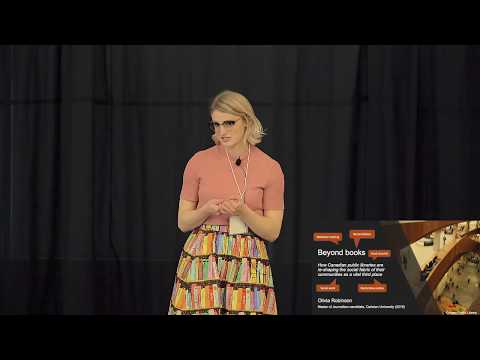
This research highlights the evolving role of Canadian public libraries as community support hubs. Beyond books, libraries now provide social services, Indigenous initiatives, and spaces for vulnerable populations. Through examples in Calgary and Toronto, it shows how libraries address homelessness, mental health, and reconciliation, redefining their societal purpose.
This study explores barriers faced by school social workers in urban high schools. It finds that systemic factors—particularly funding, policy, and structural constraints—rather than individual or institutional issues, limit service provision. The research highlights the need for systemic reform and improved data to support effective student services.

This qualitative study explores the lived experiences of African immigrant women in the United States. Through interviews, it examines stressors, their impacts on women and families, and coping strategies. The research aims to address gaps in existing literature and to inform professionals providing culturally responsive services to African immigrant communities.