This research explores biofiltration as a sustainable alternative to chemical water treatment. By supplying bacteria with nutrients like nitrogen and phosphorus, it improves removal of harmful organic matter. Results show a 20% efficiency increase, reducing chemical use and risks, and offering a cost-effective solution for safe drinking water worldwide.

This research tackles harmful cyanobacteria blooms that threaten drinking water. Using ceramic membrane filtration, it prevents toxin release by retaining intact cells. Improved cleaning methods with eco-friendly chemicals enhance membrane efficiency and longevity. The work aims to ensure safe water treatment as climate change increases the frequency and severity of algal blooms.

This research develops a membrane-based wastewater treatment system that selectively supports nitrogen-removing bacteria without energy-intensive aeration or added organic matter. By enabling efficient biological nitrogen removal, the approach reduces greenhouse gas emissions, lowers costs, and makes advanced wastewater treatment more accessible—protecting aquatic ecosystems and water quality.

This research examines how microbes in drinking water recover after UV disinfection. By adding nutrients to UV-treated samples and identifying microbes through DNA sequencing, the study tracks which organisms survive, regrow, and thrive over time. The goal is to improve treatment systems and ensure safer, more stable drinking water during distribution.

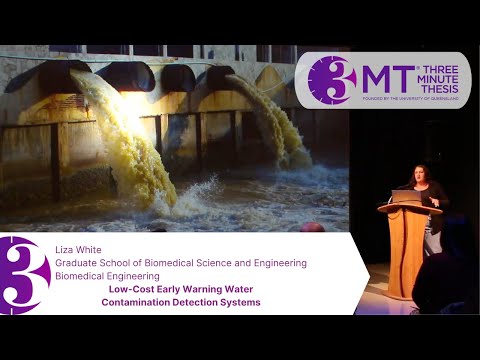
This research develops a low-cost water-monitoring system using nanofabricated diffraction surfaces and image analysis. As water flows over a “rainbow film,” distinct optical patterns reveal chemical or biological contaminants. The system has already detected dyes, algae, and particulates, offering a rapid, affordable tool for identifying pollution in water pipelines.

My research uses artificial intelligence to detect water pollution by analysing DNA traces left by aquatic species. Instead of relying on visual signs or costly expert identification, supervised machine learning reads species patterns to determine water quality. The method is faster, cheaper, and more accurate than traditional analysis.