This research examines whether reducing food insecurity increases physical activity among adults with high blood pressure. Using clinical trial data and interviews, it finds that coaching, physical function, and food access shape activity levels. Addressing food insecurity and physical activity together is essential for promoting equitable, heart-healthy lifestyles.

This research shows that doxorubicin disrupts immune signaling between the spleen and heart, priming inflammatory cells that worsen cardiac damage when hypertension develops later in life. Using a two-hit mouse model, the work reveals a heart–spleen axis and identifies immune cells as targets to protect childhood cancer survivors from heart failure.

This research uncovers a newly identified neural cluster that controls how much sodium animals want based on internal bodily state. By activating or inhibiting these neurons, salt perception can be shifted without changing food content. Their accessibility and immune-linked receptors offer promising targets for treating sodium overconsumption and related health disorders.

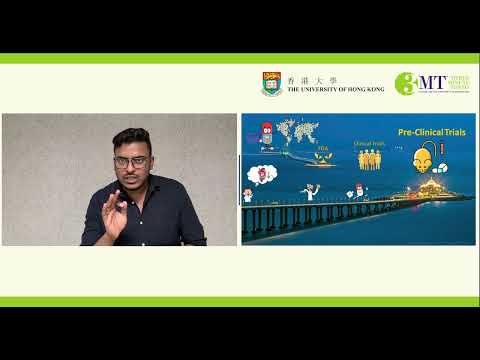
This research tests the safety of a new hypertension drug designed for patients who don’t respond to current medications. Through four phases of pre-clinical toxicology studies in cells and mice, the drug showed no major toxicity and effectively lowered blood pressure, supporting its progression toward future human clinical trials.