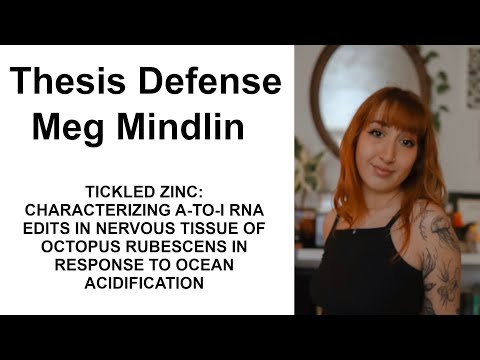
This thesis examines how octopuses respond to climate change at a molecular level, focusing on ocean acidification and RNA editing. Rising temperatures harm octopus reproduction, growth, and survival, while acidification produces mixed effects—some species show stress, yet others demonstrate resilience. Cephalopods overall appear more tolerant of acidification than fish, raising questions about the mechanisms behind this adaptability. Thousands of acidification-responsive edits disproportionately affect C2H2 zinc finger regulators, altering predicted binding targets, including nuclear pore components implicated in stress responses.
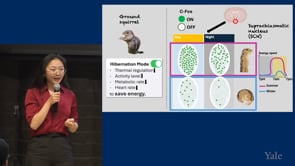
This research shows that the brain’s suprachiasmatic nucleus acts not only as a daily clock but also a seasonal energy switch. Studying hibernating ground squirrels reveals how neural activity shifts between high-energy summer states and ultra-efficient winter modes, with implications for metabolism, seasonal depression, and human hibernation.
This research uncovers a newly identified neural cluster that controls how much sodium animals want based on internal bodily state. By activating or inhibiting these neurons, salt perception can be shifted without changing food content. Their accessibility and immune-linked receptors offer promising targets for treating sodium overconsumption and related health disorders.
This study tested whether aerobic exercise can protect vascular function during prolonged sitting. Eleven participants completed exercise and non-exercise conditions. Sitting alone reduced blood vessel function, but exercising beforehand prevented this decline for up to three hours. The findings suggest a brief workout may counteract the cardiovascular risks of extended sitting.