This thesis examines how octopuses respond to climate change at a molecular level, focusing on ocean acidification and RNA editing. Rising temperatures harm octopus reproduction, growth, and survival, while acidification produces mixed effects—some species show stress, yet others demonstrate resilience. Cephalopods overall appear more tolerant of acidification than fish, raising questions about the mechanisms behind this adaptability. Thousands of acidification-responsive edits disproportionately affect C2H2 zinc finger regulators, altering predicted binding targets, including nuclear pore components implicated in stress responses.
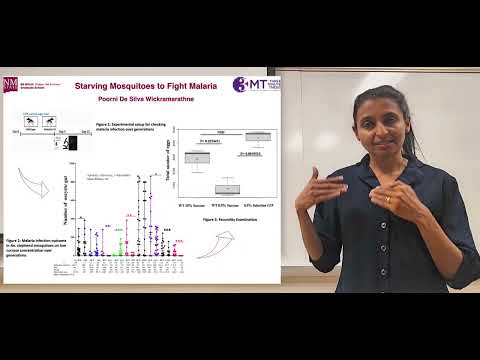
Malaria still kills hundreds of thousands annually, while drug and insecticide resistance spread. This research shows that limiting mosquito sugar supply alters their evolution, reducing malaria parasite burden over generations. Targeting mosquito sugar metabolism offers a novel, sustainable strategy for controlling malaria and other mosquito-borne diseases.
This research explores a novel malaria control strategy by manipulating mosquito sugar metabolism. By forcing Anopheles stephensi to adapt to low-sugar diets across generations, mosquitoes evolved reduced malaria parasite loads. Targeting mosquito nutrition offers a promising alternative to insecticides for controlling malaria and other mosquito-borne diseases.