
This research challenges the assumption that screens are always harmful to sleep. Digital media may either displace rest or help people relax, depending on how it is used. A new research app combines sleep tracking, smartphone activity, and daily self-reports to investigate real-world relationships between media use and sleep.
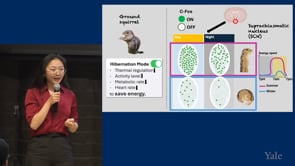
This research shows that the brain’s suprachiasmatic nucleus acts not only as a daily clock but also a seasonal energy switch. Studying hibernating ground squirrels reveals how neural activity shifts between high-energy summer states and ultra-efficient winter modes, with implications for metabolism, seasonal depression, and human hibernation.
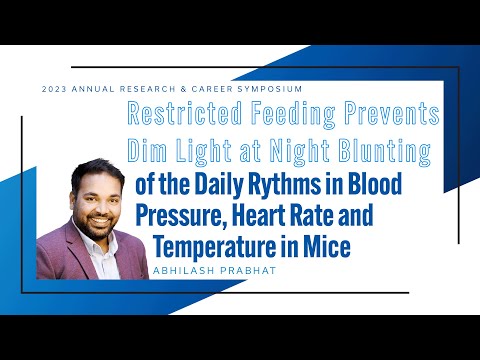
This research shows that artificial light at night disrupts normal cardiovascular rhythms by altering sleep and feeding patterns. In mice, light exposure flattened heart rate and blood pressure cycles, increasing risk. Restricting food intake to active hours restored healthy rhythms, suggesting timing of eating can protect cardiovascular health.
2022
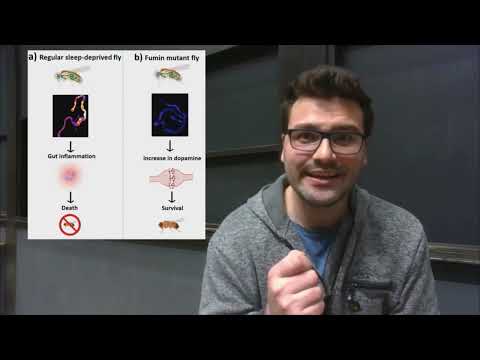
Fruit flies normally die from sleep loss due to lethal gut inflammation. But a mutant “fumin” fly, which sleeps very little, survives without inflammation. This research investigates how altered dopamine processing protects these flies, offering insight into why sleep is essential and how sleep loss contributes to disease.