
This research challenges the assumption that screens are always harmful to sleep. Digital media may either displace rest or help people relax, depending on how it is used. A new research app combines sleep tracking, smartphone activity, and daily self-reports to investigate real-world relationships between media use and sleep.
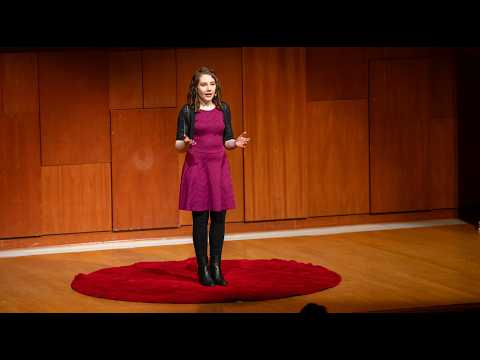
This research investigates how declining ovarian health influences brain aging and dementia risk. Using genetically engineered mouse models, it identifies inflammation and metabolic stress in the hippocampus associated with low egg quality, suggesting that treatments targeting menopause, hormonal imbalance, or insulin resistance could help protect cognitive health and prevent dementia.

2025
This research introduces the first simple mathematical model capable of capturing the cooperative folding of alpha helices, a fundamental protein structure. By revealing how these proteins fold, stabilize, and misfold, the model offers new insights into diseases such as Alzheimer's and Parkinson's while providing a fast, flexible platform for protein research.
2025
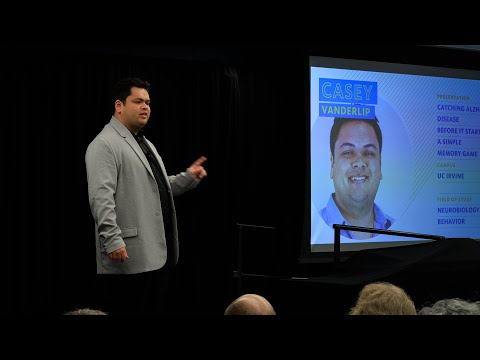
This research has developed a five-minute smartphone memory test that detects subtle cognitive changes associated with early Alzheimer's disease. The tool identified symptom-free individuals with underlying disease and predicted future cognitive decline, outperforming expensive brain scans while offering a simple, accessible, and affordable approach to early diagnosis.

This project developed AI Care, a voice-based caregiving system for people with early-stage Alzheimer's disease. Unlike conventional voice assistants, it uses caregiver-maintained medical records to provide personalised, safety-aware support. By adapting to users rather than requiring users to adapt to technology, AI Care aims to extend safe, independent living at home.
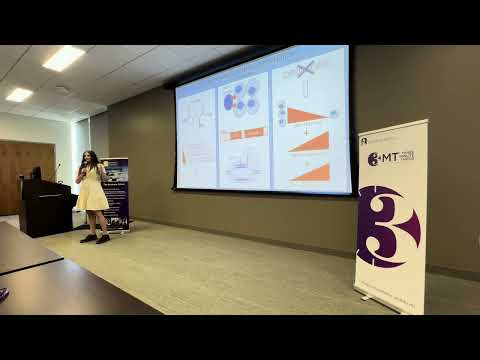
This research investigates how glutamine-rich regions within the LAG-3 protein influence Notch signaling, a critical pathway for cell communication and development. Using CRISPR gene editing, the study found that removing glutamine repeats alters stem cell behavior and cell-cycle progression, providing insights relevant to cancer, Alzheimer’s disease, and future therapies.

This research applies fluid mechanics, numerical simulations, and machine learning to model the brain’s waste-clearance system during sleep. By investigating how fluid moves through brain tissue and how aging or injury affect this process, the work aims to identify strategies for preventing or slowing neurodegenerative diseases such as Alzheimer's.

This research develops a method to deliver EGCG, a green tea compound known to break apart Alzheimer's-related protein tangles, into the brain. By chemically attaching EGCG to a carrier that can cross the brain's protective barrier, the project aims to create a potential therapeutic strategy for slowing memory loss and disease progression.
This research investigates whether thallium exposure from 9/11 dust contributes to long-term memory loss in first responders. By linking biological samples with decades of cognitive data, findings suggest higher exposure increases risk of early Alzheimer’s indicators. The study emphasizes early detection and prevention for those exposed to environmental toxins.