
This research demonstrates how combining business management and epidemiology can improve hospital infection prevention. Through behavioral interventions, organizational audits, and patient engagement, three initiatives increased hand hygiene compliance by 15%. The work highlights the importance of interdisciplinary thinking, organizational culture, and accountability in creating safer healthcare environments.

This project developed AI Care, a voice-based caregiving system for people with early-stage Alzheimer's disease. Unlike conventional voice assistants, it uses caregiver-maintained medical records to provide personalised, safety-aware support. By adapting to users rather than requiring users to adapt to technology, AI Care aims to extend safe, independent living at home.

This research addresses excessive false alarms in hospital medical devices, which burden staff and distress patients. By detecting and filtering noisy data, the proposed system prevents false alerts while preserving true ones. Early results show complete removal of false alarms, improving efficiency, patient experience, and clinical response in healthcare settings.
This research develops realistic surgical simulation models using 3D printing to improve training for complex procedures. By enabling repeated practice in a safe environment, the models enhance skill, confidence, and performance. The work aims to make advanced surgical training more accessible while reducing errors and improving patient outcomes.

This research demonstrates the value of safety checklists in veterinary surgery. By testing an anaesthesia checklist during student-led procedures, the study found that omitted critical steps were identified in most cases. Adopting checklists can reduce preventable errors, improve surgical safety, and enhance care for animal patients across veterinary practice.
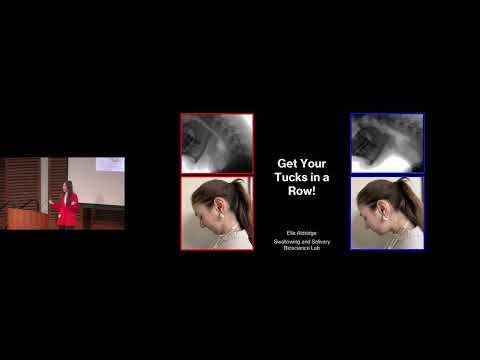
This research addresses confusion in swallowing therapy terminology, specifically between the “chin tuck” and “chin down” techniques used to treat dysphagia. Through a large mapping review of over 2,000 studies, the project aims to clarify definitions, preserve clinical tools, and improve communication and patient outcomes in speech pathology.

2025
This research adapts fracture prevention guidelines for older adults receiving home care in Canada. By addressing unique risk factors through nutrition, exercise, and medication management, the study aims to reduce falls and fractures, helping individuals age safely at home and maintain independence for longer.

2025
This research explores how personality traits influence patient safety among nurses and midwives in Ireland. Survey findings show that agreeableness, conscientiousness, and openness support safer care, while neuroticism may increase risk. The study proposes personality-tailored safety training to improve communication, teamwork, and life-saving performance.
This PhD developed a remote postoperative wound-monitoring pathway to replace dangerous, costly hospital journeys for patients in low-resource settings. Using a culturally adaptable questionnaire and phone/video follow-up, the method proved feasible, reliable, accurate, economical, and scalable. It could save the NHS £500 million annually while improving global surgical safety.