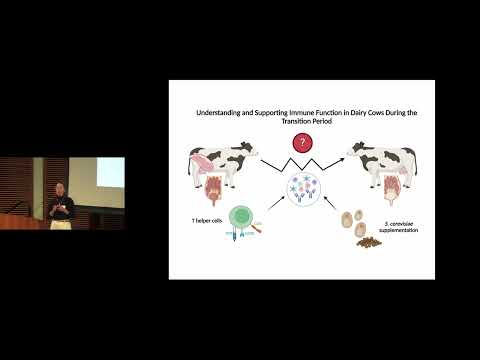
This research examines immune function in dairy cows during the transition from pregnancy to lactation, a period of high disease risk. Focusing on T helper cells, the study shows that yeast supplementation reduces inflammatory activation markers, suggesting a potential strategy to support immune health, improve animal welfare, and reduce disease-related losses in the dairy industry.
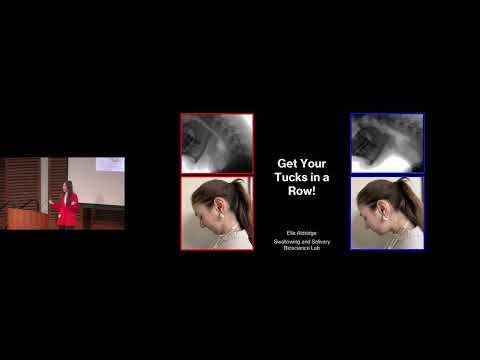
This research addresses confusion in swallowing therapy terminology, specifically between the “chin tuck” and “chin down” techniques used to treat dysphagia. Through a large mapping review of over 2,000 studies, the project aims to clarify definitions, preserve clinical tools, and improve communication and patient outcomes in speech pathology.
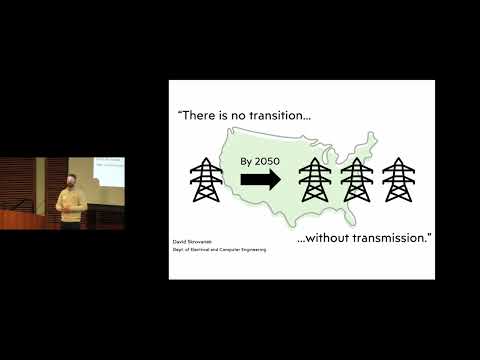
Achieving a carbon-free future requires not only renewable energy generation but also major upgrades to electricity transmission. This research develops electrostatic generators that produce high-voltage DC power more efficiently and sustainably than current technologies. By reducing costs and reliance on rare materials, the work supports grid expansion and large-scale decarbonisation.
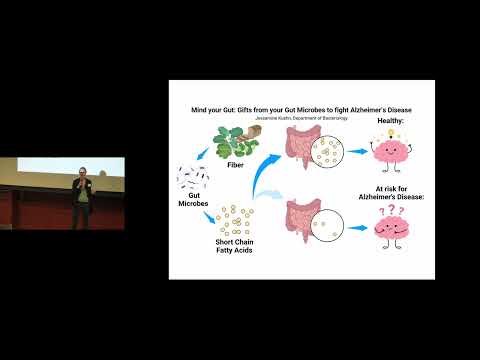
This thesis investigates how gut microbes influence brain health through short-chain fatty acids produced from dietary fibre. Measuring these compounds in stool samples, the research finds lower levels in people at risk for Alzheimer’s disease. The next phase tests whether supplementing short-chain fatty acids can prevent or treat Alzheimer’s in mouse models.