
This research explores whether altering bodily sensations can change emotional experiences. By manipulating perceived heartbeat, blinking, and muscle tension through wearable devices and virtual reality, it demonstrates that emotions can be reshaped without changing physiology, opening new possibilities for treating trauma, anxiety, eating disorders, and other mental health conditions

2026
This research investigates cognitive diversity in software engineering. Through eye-tracking and think-aloud studies, it shows that engineers approach problems differently, while existing software tools often favour particular thinking styles. Designing more inclusive tools could improve performance, broaden participation in decision-making, and reduce unintended bias in the technologies we build.
2026
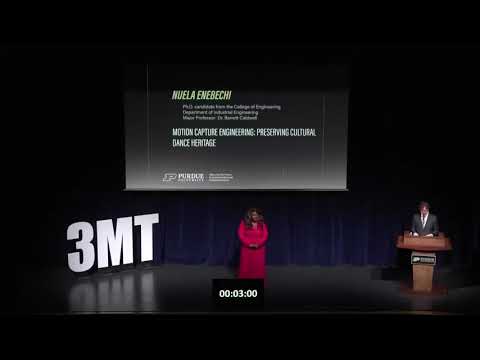
This research uses AI-powered markerless motion capture to preserve Indigenous cultural dances as digital archives. By recording thousands of movement data points, it safeguards intangible cultural heritage for future generations. The work aims to extend this technology globally, ensuring every culture has the tools to preserve its unique traditions.

2026
This research examines how leadership behavior influences high-stakes decision-making in maritime operations. It highlights how human factors under pressure shape risk perception and outcomes, often more than technical systems. The study proposes a behavior-based decision framework to improve safety, efficiency, and cost-effectiveness in complex, high-risk environments at sea.
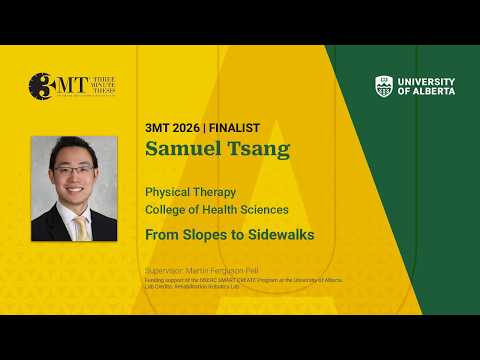
his research develops a classification system for wheelchair navigation based on surface difficulty, inspired by ski trail ratings. By measuring vibration and effort across urban environments, it aims to provide users with actionable information to support safer route choices, reduce injury risk, and improve independence and accessibility in everyday mobility.

2025
This research explores how personality traits influence patient safety among nurses and midwives in Ireland. Survey findings show that agreeableness, conscientiousness, and openness support safer care, while neuroticism may increase risk. The study proposes personality-tailored safety training to improve communication, teamwork, and life-saving performance.