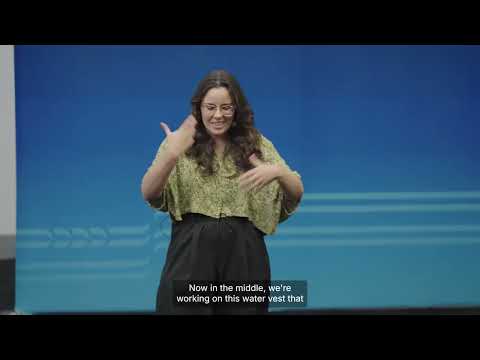
This research explores whether altering bodily sensations can change emotional experiences. By manipulating perceived heartbeat, blinking, and muscle tension through wearable devices and virtual reality, it demonstrates that emotions can be reshaped without changing physiology, opening new possibilities for treating trauma, anxiety, eating disorders, and other mental health conditions
2026
This thesis examines representations of “strangeness” in The Tempest and their historical roots in medieval travel writing and early colonial exploration. By analyzing how Shakespeare constructs fear and fascination toward unfamiliar places and peoples, the research argues that strangeness is not inherent, but psychologically and culturally produced.
2026
This research shows that pauses in information streams alter decision-making. After a break, the brain increases effort, giving greater weight to subsequent information—a “peak-after-break” effect. A computational model explains this as a performance-effort tradeoff. Findings challenge traditional theories and suggest strategic pauses can shape attention, memory, and judgment.