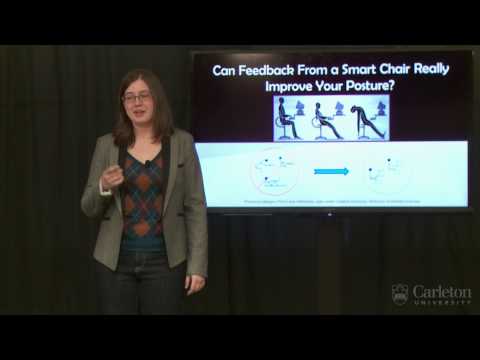
This research investigates smart office chairs that monitor posture and provide real-time feedback to reduce pain and improve ergonomics. By comparing different feedback methods, the study evaluates whether timely reminders can effectively change behavior. The goal is to enhance workplace health while maintaining productivity in increasingly sedentary environments.

This research addresses password accessibility challenges for people with vision impairment. It examines current difficulties and introduces “bend passwords,” a tactile input method using flexible devices. Early findings suggest they are secure and memorable. The work aims to develop inclusive authentication systems that improve digital security and usability for visually impaired users.

This research addresses how social media content can harm employment opportunities. It proposes visualizations that gradually fade old posts, helping users manage privacy and online reputation. Studies show users prefer this approach and employers respond more positively. The goal is automated, user-controlled content decay to balance privacy with social media benefits.

This research explores how wearable technology can improve video game accessibility for players with upper limb disabilities. Through interviews, it develops design guidelines emphasizing flexibility, independence, and modularity. The project aims to build and test prototypes, advancing inclusive gaming design and ensuring disabled players are better represented in interactive technology development.

Digital health expanded during COVID-19, but many services exclude people seeking support for alcohol and drug use. This research uses inclusive design, interviews, and workshops with people with lived experience to identify barriers, reduce stigma, improve usability, and guide industry toward creating accessible, equitable digital care for all.