
This research develops a new econometric method that captures complex, non-linear relationships while accounting for hidden differences between firms. Applied across 50 industries, it reveals that traditional models underestimate R&D investment by up to 8%, enabling more accurate economic predictions and better-designed innovation, taxation, and regulatory policies.
2015
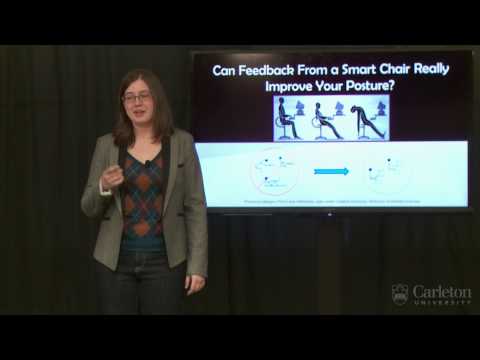
This research investigates smart office chairs that monitor posture and provide real-time feedback to reduce pain and improve ergonomics. By comparing different feedback methods, the study evaluates whether timely reminders can effectively change behavior. The goal is to enhance workplace health while maintaining productivity in increasingly sedentary environments.

2026
This research examines gender promotion gaps by analyzing policies, retention, and performance together. While promotion policies are gender-neutral and retention explains part of the gap, differences in measured performance—driven by reduced working hours—account for most disparities. Results show that how performance is defined critically shapes outcomes and policy effectiveness.

This research evaluates whether reflective cool roofs can reduce indoor temperatures and improve health in climate-vulnerable communities. A global randomised controlled trial across four countries will assess impacts on physical and mental health, productivity, and hospitalisations, providing evidence on whether this affordable intervention is cost-effective and capable of saving lives.

This research tested a simple productivity strategy: starting each day by choosing the three most impactful tasks. In a biotech workplace trial, the “Top Three” method increased task value by 9%, reduced task-switching, and improved employees’ sense of control and accomplishment. Most participants continued using the strategy after the study ended.