
This research explores how to improve STI testing uptake within African and Caribbean communities in the UK. Using evidence reviews, interviews, and co-production workshops guided by the ACE framework, the project develops community-informed sexual health interventions designed to increase trust, accessibility, and acceptance of STI testing while reducing stigma and health inequalities.
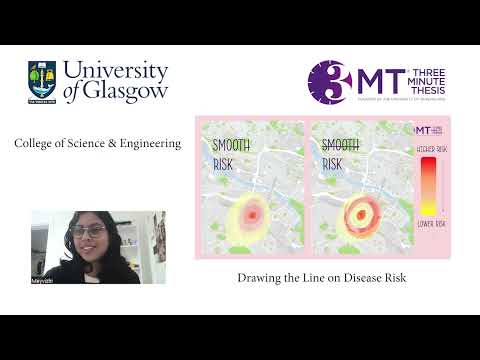
This research improves disease mapping by using mixture modeling to capture sharp spatial differences in health risk. Unlike traditional models that assume smooth patterns, this approach better identifies high-risk areas, enabling more accurate resource allocation, improved public health policy, and reduced health inequalities during disease outbreaks.

This research evaluates whether reflective cool roofs can reduce indoor temperatures and improve health in climate-vulnerable communities. A global randomised controlled trial across four countries will assess impacts on physical and mental health, productivity, and hospitalisations, providing evidence on whether this affordable intervention is cost-effective and capable of saving lives.