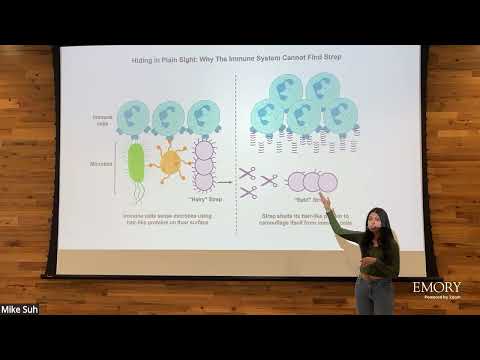
This research reveals how Streptococcus evades immune attack by shedding its hair-like surface proteins, distracting immune cells while provoking excessive immune activation. The findings provide a new explanation for how recurrent strep infections can trigger autoimmune diseases and suggest treatments should target both the bacteria and the immune response.
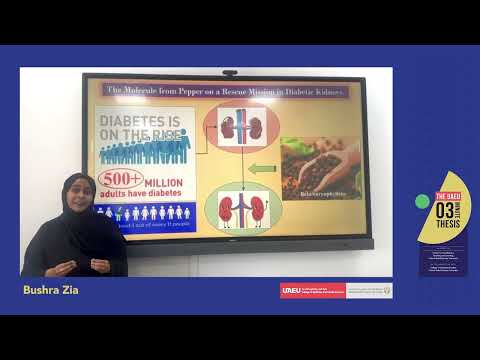
This research investigates β-caryophyllene, a natural compound found in black pepper, as a protective treatment for diabetic kidney disease. The compound shields kidney cells from high-glucose damage, offering a promising, safe, plant-based therapeutic pathway for preventing diabetic nephropathy and improving long-term outcomes for patients.

This research evaluates whether reflective cool roofs can reduce indoor temperatures and improve health in climate-vulnerable communities. A global randomised controlled trial across four countries will assess impacts on physical and mental health, productivity, and hospitalisations, providing evidence on whether this affordable intervention is cost-effective and capable of saving lives.

This thesis explores the challenges faced by young people with rare chronic kidney diseases as they transition from pediatric to adult healthcare. The researcher works to support families, improve preparedness, and ensure no young person is left behind, aligning with global goals for equitable, inclusive healthcare for vulnerable populations.