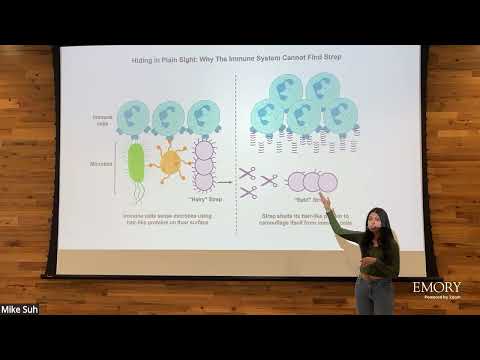
This research reveals how Streptococcus evades immune attack by shedding its hair-like surface proteins, distracting immune cells while provoking excessive immune activation. The findings provide a new explanation for how recurrent strep infections can trigger autoimmune diseases and suggest treatments should target both the bacteria and the immune response.

This research investigates how lung mucus and its mucin molecules defend against Coccidioides, the fungus that causes Valley fever. By showing that mucins slow fungal growth, the work suggests mucus shapes infection before symptoms appear, opening new possibilities for earlier diagnosis and treatments against Valley fever and other infectious diseases.
2025
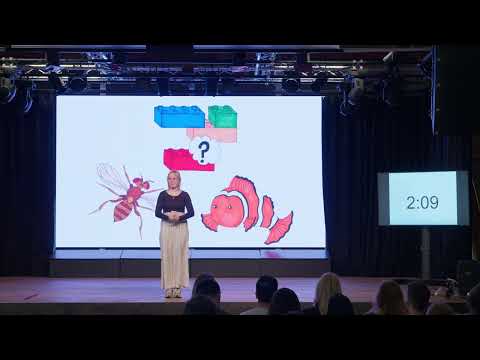
This research uses fruit flies to study the STING immune pathway, revealing how cells detect viral infections. By identifying Nemo as a missing connector protein active only during infection, the work clarifies how immune responses are triggered. These insights may guide future therapies that balance antiviral defense while limiting immune damage.