
This research investigates whether the diabetes drug dapagliflozin (DAPA) can be repurposed to treat metabolic dysfunction-associated steatotic liver disease (MASLD). Using laboratory models, it examines fat accumulation and NHE1 ion channel function, aiming to develop a cost-effective treatment for two closely linked metabolic diseases with one existing medicine.

This research investigates the genetic mechanisms underlying polycystic ovary syndrome (PCOS), a condition affecting one in ten women and the leading cause of female infertility. By studying thousands of genetic variants across multiple cell types, the project aims to identify the biological causes of PCOS and develop targeted treatments.
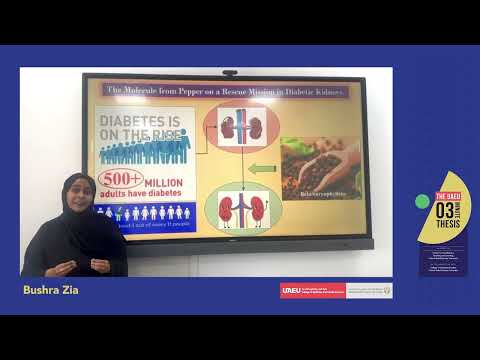
This research investigates β-caryophyllene, a natural compound found in black pepper, as a protective treatment for diabetic kidney disease. The compound shields kidney cells from high-glucose damage, offering a promising, safe, plant-based therapeutic pathway for preventing diabetic nephropathy and improving long-term outcomes for patients.

This research shows that disrupting the circadian clock in gut cells increases susceptibility to obesity. Experiments in mice reveal that misaligned internal clocks impair metabolic regulation, leading to greater fat accumulation. The findings highlight that meal timing is as important as diet composition and suggest circadian clocks as therapeutic targets.
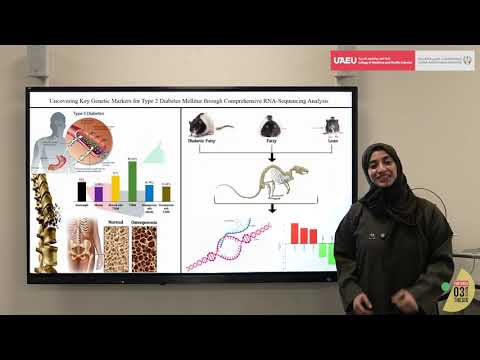
Obesity and type 2 diabetes weaken bones, increasing fracture risk. This research uses animal models of lean, obese, and diabetic conditions to examine how these diseases affect bone strength. By identifying the mechanisms behind bone fragility, the study aims to guide future dietary and therapeutic strategies to protect bone health in affected populations.