This research examines how sugar consumption and impaired reward sensitivity predict later alcohol-related behaviors in rats. Findings show that addiction-like responses to sugar can forecast alcohol responses, suggesting shared neural mechanisms. Understanding these early behavioral markers may help identify addiction risk factors and inform prevention strategies.
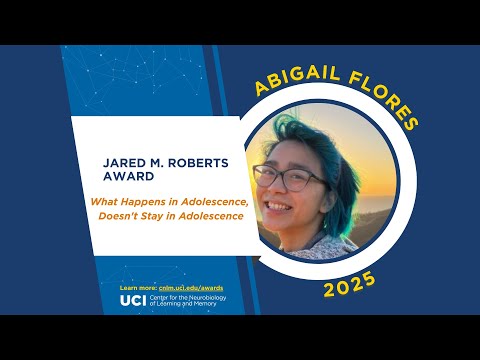
This research examines how stress during adolescence produces lasting, sex-specific cognitive effects in adulthood. Using an animal model, the work replicates learning and attention deficits seen in humans and investigates cellular communication mechanisms underlying these changes, with the goal of reducing the long-term cognitive impact of adolescent stress.
This talk describes research on how the brain learns and remembers by recording neural activity in mice navigating virtual environments. By studying hippocampal and cortical neurons, the work reveals how the brain builds cognitive maps of space and experience, offering insights into memory loss and Alzheimer’s disease.
This research uses cavefish to reveal how evolution reshapes the brain. By comparing surface and cave-adapted forms, it shows that neural circuits lost to vision are repurposed for touch and smell. These findings demonstrate how evolution refines existing brain structures to meet environmental demands.
This research uses a validated rodent model of psychosis to study sensory-filtering deficits linked to schizophrenia. Instead of blocking dopamine D2 receptors, the study uses CDPPB to modulate mGlu5 receptors and reduce D2 hypersensitivity. Treatment restores normal sensory gating, suggesting a promising therapeutic pathway with fewer side effects than current antipsychotics.
This research examines how combined THC and alcohol use alters neural communication and increases alcohol consumption. Using animal models, the study shows that co-use disrupts the glutamate system, heightening motivation to drink. Regulating glutamate with the compound CDPPB reduces alcohol intake, highlighting glutamate as a promising therapeutic target for addictio
This research uncovers how two proteins, GluA1 and PKC, regulate behavioural flexibility in the striatum. Deleting GluA1 causes animals to get “stuck,” mirroring symptoms in OCD, addiction, and autism. A new molecular tool restores flexibility by 80% in hours, offering a potential pathway for future neuropsychiatric treatments.
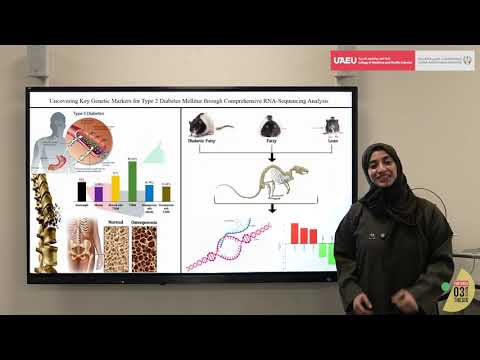
Obesity and type 2 diabetes weaken bones, increasing fracture risk. This research uses animal models of lean, obese, and diabetic conditions to examine how these diseases affect bone strength. By identifying the mechanisms behind bone fragility, the study aims to guide future dietary and therapeutic strategies to protect bone health in affected populations.
This research studies the unusually long-lived Heliconius butterflies to uncover genetic mechanisms behind extended lifespan. By analysing DNA from butterflies across their lifespan, it aims to reveal evolutionary strategies for longevity that may inform future human ageing therapies. Understanding diverse animal lifespans could guide healthier ageing — without mythical “Fountains of Youth.”