
This research uncovers how two proteins, GluA1 and PKC, regulate behavioural flexibility in the striatum. Deleting GluA1 causes animals to get “stuck,” mirroring symptoms in OCD, addiction, and autism. A new molecular tool restores flexibility by 80% in hours, offering a potential pathway for future neuropsychiatric treatments.
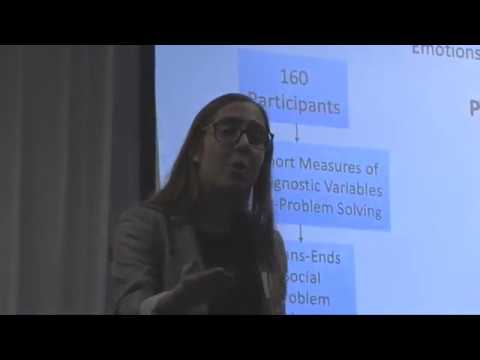
This research investigates why people struggle with interpersonal problem-solving, especially in the context of psychological disorders. Using surveys and the MEPS task with 160 participants, the study found that emotion-regulation difficulties and experiential avoidance explain 46% of poor problem-solving. Improving emotional acceptance may significantly enhance responses to interpersonal conflict.