This research examines university maker spaces as ecosystems to understand how design choices affect engineering education. Spaces that allow personal projects encourage earlier, broader tool use, boosting student confidence and creativity. These findings help universities design maker spaces that better bridge theory and real-world engineering practice.

2025
This research tackles nitrous oxide emissions from agricultural soils, a major driver of global warming. By modifying manure application practices—mixing manure into soil or adding biochar—the study enhances soil microbes that consume nitrous oxide, reducing emissions by 60–70% through improved microbial balance and reduced gas escape.
This research explores swarms of small, modular robots that cooperate like ant colonies to perform complex tasks. Using control theory, optimization, and machine learning, the work enables resilient, energy-efficient robotic systems that adapt in real time, with applications ranging from disaster response and space exploration to medical technologies.
2025
This research uses helicopter surveys to study javelina habitat use in South Texas. By mapping sightings and woody vegetation cover, it reveals that javelinas prefer dense thornscrub environments. The findings support improved wildlife management and help distinguish native javelinas from invasive wild pigs.
This research investigates how the body’s natural use of copper—through nutritional immunity—can be leveraged to combat antibiotic-resistant E. coli infections in urinary tract infections. By understanding bacterial susceptibility to copper, this work aims to identify novel, host-inspired strategies for treating UTIs.

My research develops smart polymer wound dressings that detect infections in chronic wounds through a visible color change. By providing immediate, non-invasive alerts, these materials enable faster treatment, reduce hospitalizations and amputations, and improve outcomes for people with diabetes and chronic wound conditions.
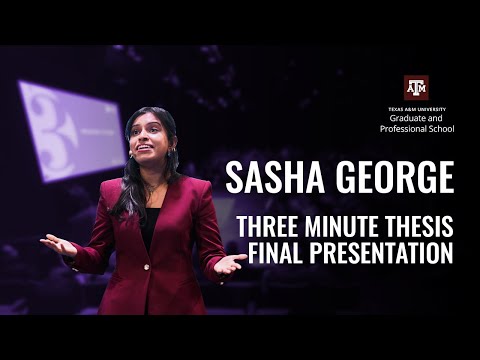
Bacteria can cause major industrial failures through metal corrosion, but most bacteria are harmless or beneficial. This research engineers protective bacterial strains to prevent corrosion by sealing cracks, forming biofilms, and outcompeting harmful microbes—transforming bacteria into a sustainable defense for metal infrastructure like pipelines, bridges, and buildings.

Rising global electricity demand requires materials that conduct efficiently at extreme temperatures. This research develops scalable metal–ceramic composite conductors with tunable electrical properties by controlling particle interfaces and packing. These materials overcome limitations of metals and semiconductors, enabling efficient, affordable energy technologies for high-temperature industrial applications.
2024
This research uncovers how two proteins, GluA1 and PKC, regulate behavioural flexibility in the striatum. Deleting GluA1 causes animals to get “stuck,” mirroring symptoms in OCD, addiction, and autism. A new molecular tool restores flexibility by 80% in hours, offering a potential pathway for future neuropsychiatric treatments.

2024
This study tested sustainable alternatives to sand for Texas rain-garden soils, using waste materials like crushed glass, oyster shell, and expanded shale mixed with clay. All alternatives performed as well as sand in draining stormwater. These findings support affordable, scalable, and environmentally friendly strategies to reduce urban flooding amid rising climate-driven flood risks.