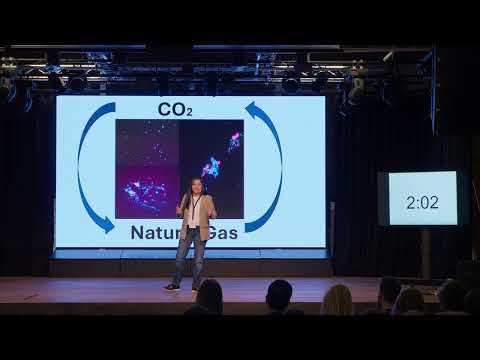
Deep-ocean microbes perform extraordinary chemistry in extreme environments. This research isolates archaea and bacteria that consume hydrocarbons and convert them into carbon dioxide through unique metabolic pathways. By visualizing and separating these organisms, the work reveals pathways that could be engineered to recycle greenhouse gases into clean biofuels, offering new tools against climate change.

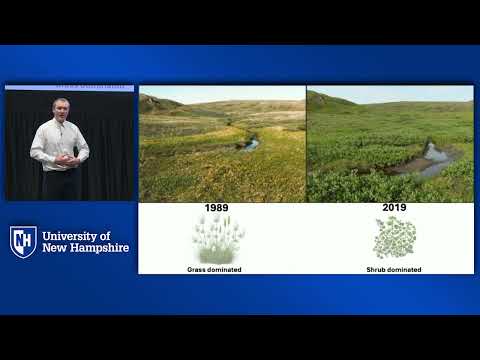
This research examines how shifts from grasses to shrubs in the Alaskan tundra alter root-associated microbial communities. Shrubs favor sugar-consuming microbes over soil organic matter decomposers, potentially reducing soil carbon loss. These plant–microbe interactions may help slow climate change by limiting greenhouse gas emissions.

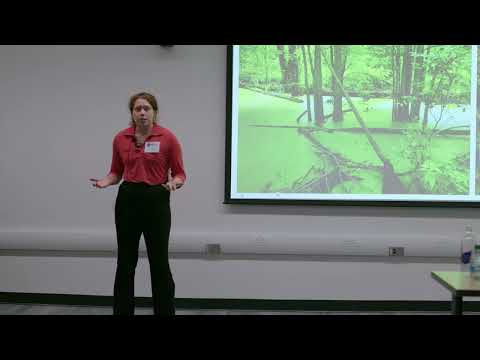
This research tackles nitrous oxide emissions from agricultural soils, a major driver of global warming. By modifying manure application practices—mixing manure into soil or adding biochar—the study enhances soil microbes that consume nitrous oxide, reducing emissions by 60–70% through improved microbial balance and reduced gas escape.

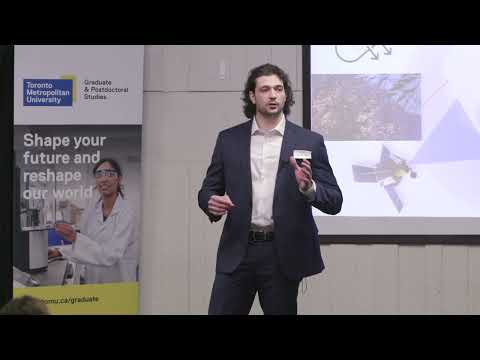
The speaker explains how hyperspectral satellites can detect invisible methane emissions, a major driver of climate change. Their research integrates data from multiple satellites to create a continuous global monitoring system capable of identifying leaks in real time, enabling rapid mitigation and transforming satellite technology into a tool for planetary sustainability.