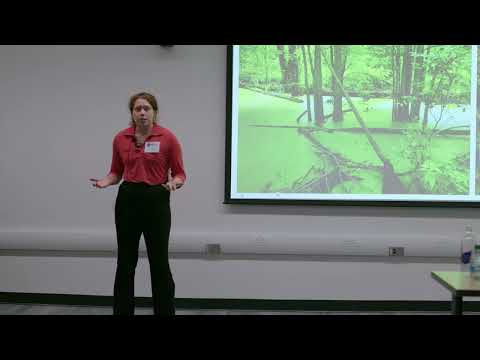
This research investigates methane emissions from restored marshes as a climate solution. While marshes sequester CO₂, their methane output varies widely. By measuring emissions and environmental factors, the study examines how interactions influence outcomes, highlighting that restoration can aid climate mitigation but requires deeper understanding to ensure effectiveness.

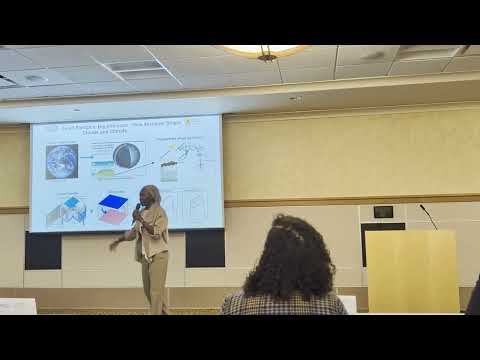
This research compares Earth’s energy balance to a personal budget and examines how aerosols—especially black carbon—disturb that balance. By simulating how black carbon interacts with cloud droplets and light, the study helps improve understanding of climate impacts. The goal is better climate modeling and reducing harmful atmospheric pollution.

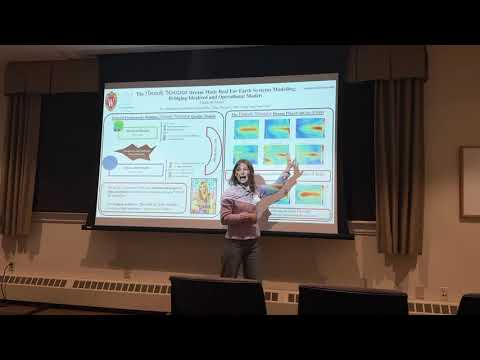
This research examines how atmospheric aerosols influence cloud formation and rainfall, particularly under turbulent conditions. Using a laboratory cloud chamber and computer modeling, the study investigates how particle size and concentration affect droplet growth. The findings aim to improve climate models and weather forecasting in both polluted and clean environments.