This research investigates how PFAS “forever chemicals” transfer from fish to their eggs and impact embryonic development. Findings show PFAS increase cellular stress in rainbow trout eggs, potentially affecting survival. Understanding where these chemicals accumulate could inform environmental policy and help protect aquatic ecosystems from long-term generational contamination.
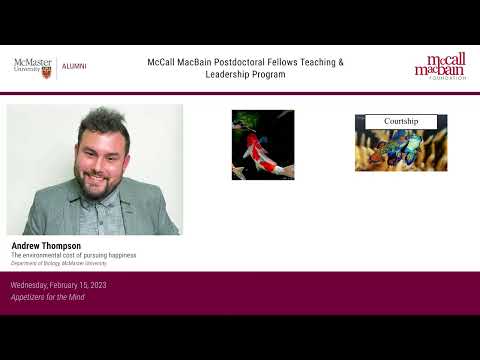
This research shows that antidepressants excreted into wastewater can persist in aquatic environments and alter fish neurobiology, growth, reproduction, stress systems, and behavior. The work argues that antidepressant use carries an environmental cost beyond personal treatment, highlighting the need for better prescribing practices, public awareness, and improved wastewater treatment technologies.
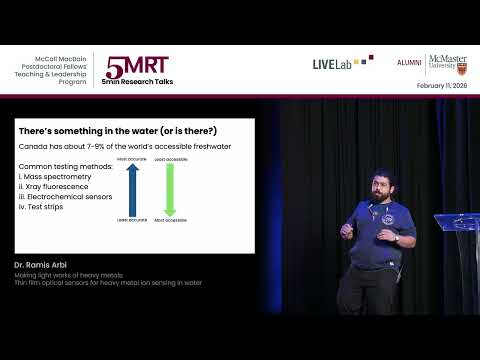
Heavy metals in drinking water pose serious health risks, yet current testing methods often require laboratories or lack accuracy. This research develops optical sensors called optodes that use light-responsive dyes to detect contaminants. The goal is a portable, real-time device capable of accurately measuring heavy metals like lead in water.
This research investigates how microplastics and nanoplastics affect human cells. Using laboratory models that mimic the digestive system, it examines how particle size and concentration influence toxicity. The findings show that smaller particles are more harmful, providing evidence that can inform safety regulations and reduce human exposure to plastic pollution.