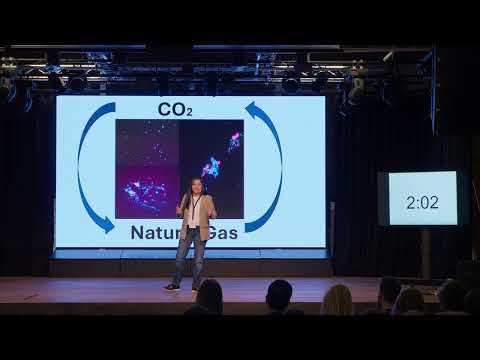
Deep-ocean microbes perform extraordinary chemistry in extreme environments. This research isolates archaea and bacteria that consume hydrocarbons and convert them into carbon dioxide through unique metabolic pathways. By visualizing and separating these organisms, the work reveals pathways that could be engineered to recycle greenhouse gases into clean biofuels, offering new tools against climate change.

This research reveals how deep-sea squid evolved camera-type eyes tuned to bioluminescent light. The giant squid Taningia has visual pigments matched to its own yellow-green glow, allowing long-distance communication while staying hidden from predators. Understanding squid visual sensitivity can guide safer deep-sea exploration using lighting that avoids harming marine animals.