
Bacteria can cause major industrial failures through metal corrosion, but most bacteria are harmless or beneficial. This research engineers protective bacterial strains to prevent corrosion by sealing cracks, forming biofilms, and outcompeting harmful microbes—transforming bacteria into a sustainable defense for metal infrastructure like pipelines, bridges, and buildings.
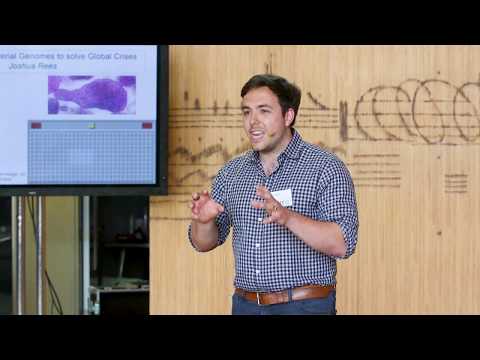
This research develops a Minesweeper-inspired algorithm to identify and remove non-essential genes from Mycoplasma genitalium, the smallest known self-replicating organism. The algorithm eliminated 35% of the genome in simulation, offering a path to record-breaking minimal cells and improving bacterial strains used to produce antibiotics, vaccines, fuels, and climate-solution technologies.