This research tackles low protein levels in Western Canadian soybeans. Using RNA sequencing, it identifies gene expression differences between eastern and western crops. The goal is to develop higher-protein soybean varieties suited to harsh climates, improving market competitiveness, supporting farmers, and strengthening sustainable agricultural systems across Canada.

This research explores endophytes—fungi living symbiotically within plants—that produce bioactive compounds aiding plant defense and growth. These compounds have led to major medical breakthroughs like antibiotics and immunosuppressants. Studying endophytes in crops may uncover new drugs and agricultural benefits, highlighting nature’s vast, largely untapped biochemical potential.

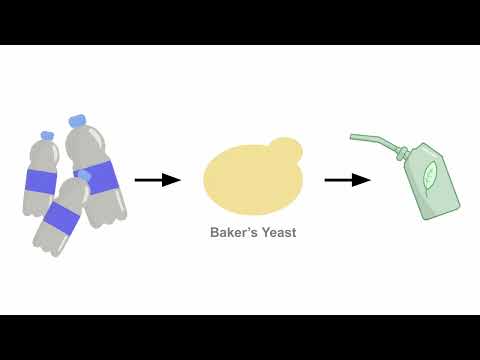
This research engineers yeast to convert PET plastic waste into valuable chemicals like PCA, enabling the production of biofuels, pharmaceuticals, and biodegradable materials. By transforming low-value plastic into high-value products, it offers a scalable biotechnological solution to reduce pollution and support the transition to sustainable, circular economies.

This research develops an affordable, rapid genetic testing system to personalize antidepressant treatment. By detecting DNA mutations that affect drug metabolism, the technology helps doctors prescribe the right medication for each patient. The goal is to reduce ineffective treatments and improve mental health care—especially for veterans struggling with PTSD and depression.

Current CO₂ capture methods are inefficient and harmful to microbes used for biofuel production. This research studies how CO₂-capturing liquids damage fuel-producing microbes and identifies tolerant strains. By understanding microbial responses at the genetic level, it aims to design microbe-friendly capture systems that convert carbon dioxide into useful fuels.

IBD patients have weakened gut microbes, leaving them with chronic inflammation and limited treatment options. This research engineers probiotic yeast with anchors, drug-carrying “backpacks,” and reprogrammed DNA to deliver targeted therapeutics safely and cheaply. Early results show these modified microbes could become effective, low-side-effect treatments for IBD and other gut diseases.

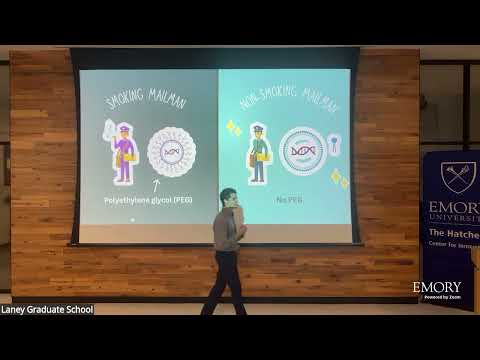
This research focuses on strengthening fragile mRNA molecules to create vaccines that are more stable, effective, and easier to distribute. By modifying mRNA structure to resist degradation, vaccines could be stored at higher temperatures and maintain potency, expanding access—especially in low-resource regions—and improving global readiness for future pandemics.

Antifreeze chemicals are toxic. This research tests new ice-recrystallization inhibitors that enter embryos easily, cause minimal developmental effects, and prevent damaging ice-crystal growth. These findings could enable long-term genetic preservation and support future ecosystem restoration.

Type 1 diabetes destroys insulin-producing cells, leaving patients dependent on lifelong injections. Islet transplants could provide freedom, but most cells die quickly. This research uses drug-loaded microparticles that protect transplanted islets, boosting survival, insulin production, and diabetes reversal. The approach could cut costs, reduce donor needs, and transform treatment for multiple diseases.