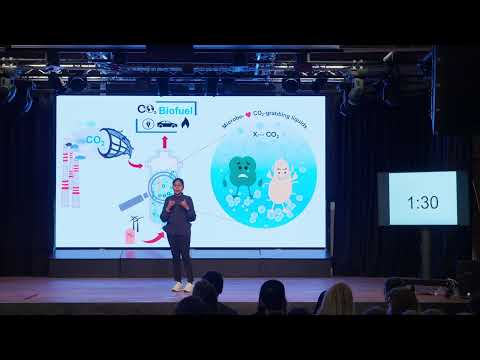
Current CO₂ capture methods are inefficient and harmful to microbes used for biofuel production. This research studies how CO₂-capturing liquids damage fuel-producing microbes and identifies tolerant strains. By understanding microbial responses at the genetic level, it aims to design microbe-friendly capture systems that convert carbon dioxide into useful fuels.

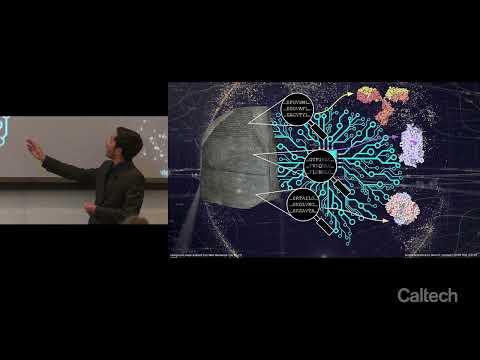
The talk describes using AI language models to decipher the hidden “languages” within millions of natural protein sequences. By learning protein vocabulary, syntax, and grammar, researchers can design new molecules that fight cancer, degrade plastics, capture carbon, and expand biology beyond nature’s rules—advancing medicine, sustainability, and molecular engineering.

This research develops improved catalysts that convert atmospheric carbon dioxide into sustainable fuel. By analysing how molecular design affects reaction efficiency, selectivity, and durability, the work creates strategies to accelerate the chemical process and prevent breakdown. The findings support large-scale renewable energy storage and help integrate clean fuels into future energy systems.