
This research develops a seawater-compatible electrolyzer that uses state-of-the-art materials with an integrated deionization layer powered by waste heat. The system enables efficient hydrogen production from seawater, supporting portable refueling stations for hydrogen-powered marine UAVs and advancing clean, sustainable energy for offshore operations.

This research uses a traffic analogy to explain gas transport challenges in carbon dioxide electrolysis devices. Despite identical porosity, microstructural connectivity determines performance under flooding conditions. Computational modelling reveals how pathway structure affects efficiency, guiding design improvements that enhance CO₂ conversion into fuels and chemicals, supporting scalable and cleaner energy technologies.

2025
Using a European energy system model, this research compares pathways to climate neutrality by 2050. Focusing on land transport, it shows that electric vehicles are already the cheapest system-wide option, even without emission limits. Early investment in electric car infrastructure accelerates decarbonization and reduces long-term costs across Europe.
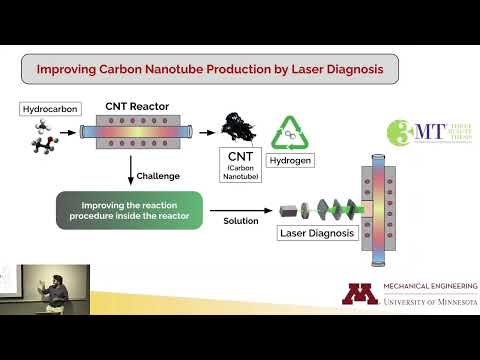
Hydrocarbons drive modern society but fuel climate change when burned. This research converts hydrocarbons into carbon nanotubes and clean hydrogen instead. Using laser diagnostics to probe reactors, it reveals how nanotubes form, enabling higher production rates, industrial decarbonization, and advanced materials for a sustainable, low-carbon energy future.