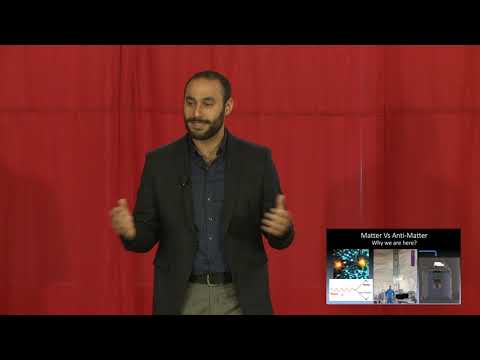
This research investigates why matter dominates over antimatter in the universe. By isolating xenon isotopes deep underground, scientists aim to detect rare nuclear reactions that could explain this imbalance. The work involves large-scale gas processing and long-term observation, potentially revealing fundamental insights into the origin of matter and existence.

This research uses a traffic analogy to explain gas transport challenges in carbon dioxide electrolysis devices. Despite identical porosity, microstructural connectivity determines performance under flooding conditions. Computational modelling reveals how pathway structure affects efficiency, guiding design improvements that enhance CO₂ conversion into fuels and chemicals, supporting scalable and cleaner energy technologies.
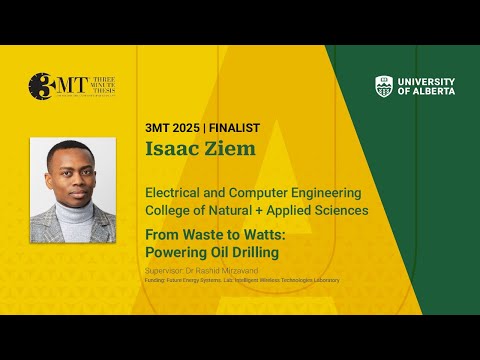
This research converts waste heat from high-temperature oil extraction into usable electrical energy. By designing circuits that withstand harsh underground conditions and amplifying low outputs, the system powers real-time monitoring devices along pipelines. The work pioneers sustainable energy harvesting where it has never succeeded before, reducing waste heat and contributing to climate solutions.