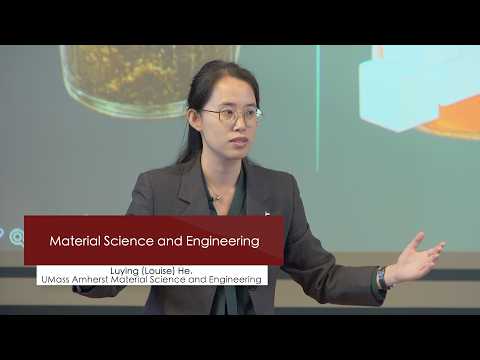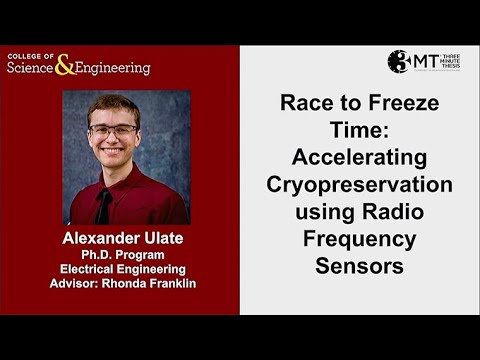
Over 100,000 people await organ transplants, yet preservation limits organs to hours. This research uses radio-frequency sensors to rapidly pre-screen cryoprotective chemicals through dielectric fingerprints, reducing testing from days to minutes. Faster identification of effective preservation agents could extend organ viability and save thousands of lives.

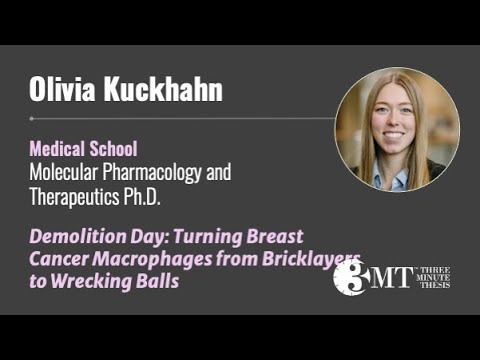
This research examines how macrophages shift between tumor-fighting and tumor-supporting roles in breast cancer. By identifying signals in the tumor microenvironment and engineering molecular cues to promote tumor-destroying behavior, the work aims to reprogram immune responses and improve therapeutic outcomes for breast cancer patients.

The speaker develops RADARS, a programmable RNA-guided gene-delivery system that activates only in cells with specific RNA “fingerprints.” Their thesis tackles weak activation when target RNA is rare, creating new mechanisms to bind targets more tightly. These innovations aim to enable safer, cell-specific cancer therapies through precise molecular control.

Type 1 diabetes destroys insulin-producing cells, leaving patients dependent on lifelong injections. Islet transplants could provide freedom, but most cells die quickly. This research uses drug-loaded microparticles that protect transplanted islets, boosting survival, insulin production, and diabetes reversal. The approach could cut costs, reduce donor needs, and transform treatment for multiple diseases.