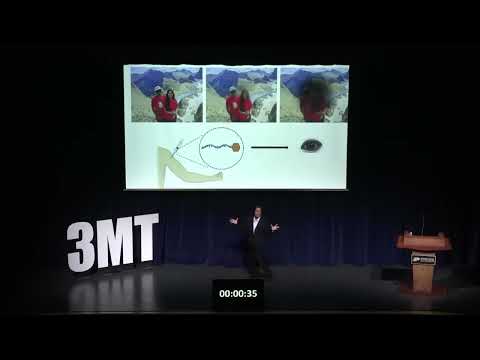
This research develops a targeted anti-VEGF therapy for wet age-related macular degeneration that can be injected under the skin rather than directly into the eye. In animal studies, the drug successfully reached the eye and reduced abnormal blood vessel growth, offering a safer, cheaper, and more convenient treatment for preventing blindness.
This research develops 3D-printed hydroxyapatite scaffolds that actively stimulate bone regeneration. Unlike traditional bone grafts, these synthetic scaffolds recruit stem cells and encourage new bone formation. Animal studies show promising healing results, raising the possibility of personalised, patient-specific implants that improve recovery from severe bone injuries and defects.
2017
This research explores brain stimulation as a safe, low-cost alternative to medication for children with neurological and mental health conditions. Despite promising results across disorders, only a small fraction of studies involve children. The work aims to expand evidence and access, improving global treatment options, especially for low-income populations.
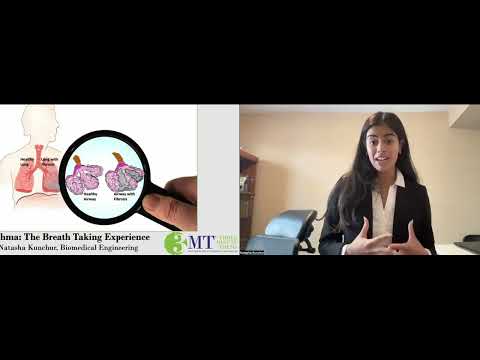
This research investigates asthma’s underlying mechanisms, focusing on airway fibrosis and the extracellular matrix. Using Raman spectroscopy, researchers generate molecular “barcodes” of lung tissue. Artificial intelligence is then applied to analyze complex data, aiming to identify key biological drivers of asthma and move beyond temporary treatments toward deeper understanding and potential long-term solutions.

This research uses wearable data and AI to detect disease earlier by analyzing continuous health signals rather than isolated clinical snapshots. By personalizing models to individual baselines, the system identifies subtle changes linked to conditions like infections, heart issues, and mental health crises, enabling earlier intervention and potentially saving lives.
2026
This research improves combination vaccines by addressing antigen competition using injectable hydrogels that slowly release antigens. This approach produces balanced immune responses to multiple diseases, unlike traditional vaccines. The innovation could reduce the number of shots required, improve global vaccine access, and ensure more effective immunization, particularly in underserved populations.

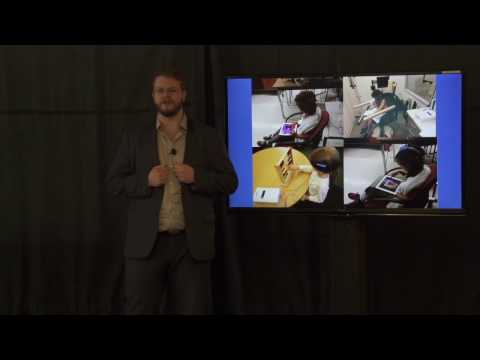
This research shows that children born without a hand can generate complex muscle signals by imagining movements, enabling control of advanced prosthetics. Their abilities develop similarly to typical motor patterns, challenging assumptions and expanding access to sophisticated prosthetic technology for paediatric patients.
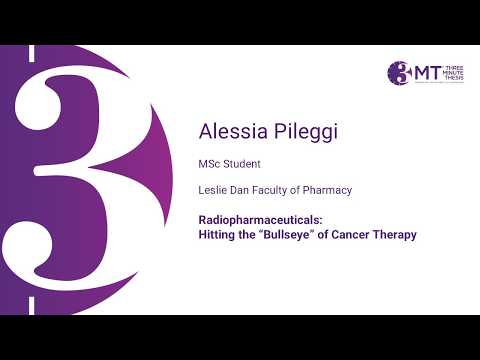
This research develops targeted radiopharmaceutical therapies for HER2-positive cancers. By attaching radioactive isotopes to trastuzumab, treatment delivers precise radiation to cancer cells, overcoming drug resistance. The work includes creating practical drug kits and aims to improve cancer outcomes by replacing non-specific therapies with highly accurate, targeted interventions.

This research examines historical struggles over who controls medical devices in the United States. Using cases like the open-source “EpiPencil,” it traces twentieth-century conflicts among doctors, engineers, industry, and government. The study challenges linear progress narratives and shows how shifting claims to expertise shape medical technology and authority.

Acute respiratory distress syndrome (ARDS) causes severe breathing failure and kills tens of thousands annually, yet has no effective treatment. This research studies how ARDS disrupts lung surfactant, a critical stabilizing substance in the lungs. By identifying immune-related factors that damage surfactant, the work aims to develop the first targeted therapeutic cure.