This research challenges the long-standing assumption that brain regions causing no errors during awake brain surgery are functionally unimportant. By measuring subtle delays in speech rather than errors alone, it introduces causal parametric mapping, offering surgeons a more sensitive way to preserve language function and improve patient outcomes.
2017
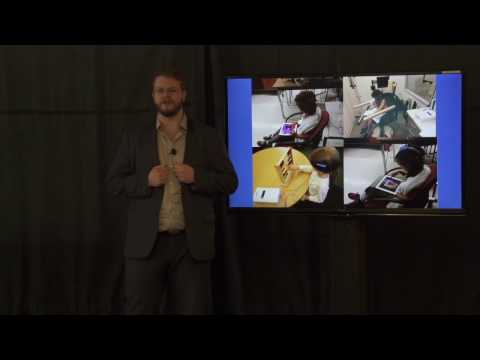
This research explores brain stimulation as a safe, low-cost alternative to medication for children with neurological and mental health conditions. Despite promising results across disorders, only a small fraction of studies involve children. The work aims to expand evidence and access, improving global treatment options, especially for low-income populations.
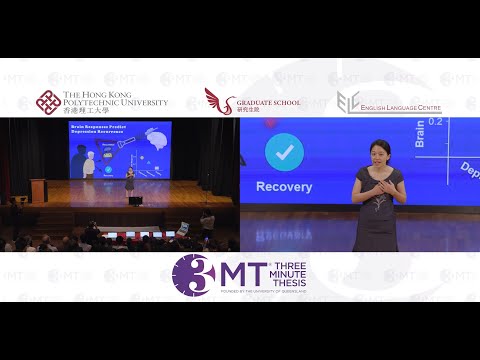
This study introduces a “brain stress test” for depression, combining targeted brain stimulation with neuroimaging. Depressed individuals show exaggerated brain responses, which increase with repeated episodes. The test may serve as an early warning signal, helping clinicians identify relapse risk and intervene before depression returns.
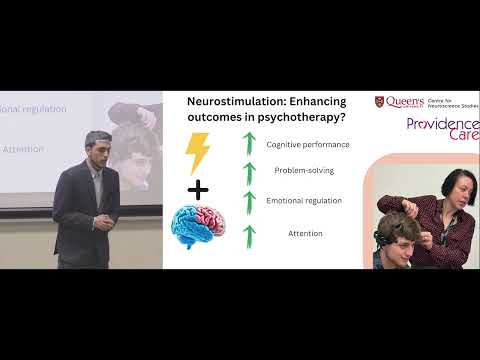
This research investigates transcranial electrical stimulation (tACS) as a non-invasive way to modulate prefrontal cortex activity in people with severe mental disorders such as schizophrenia. By measuring brain activity, cognition, and behavior, the study aims to identify conditions where tACS is effective and offer a safe, accessible therapeutic alternative.
2023
Why does exercise reduce pain for some people with knee osteoarthritis but not others? By examining psychological factors, educational messaging, and brain stimulation, the studies aim to enhance exercise-induced hypoalgesia and develop effective, drug-free pain-relief strategies that can transform knee osteoarthritis into a manageable condition rather than a lifelong disability.