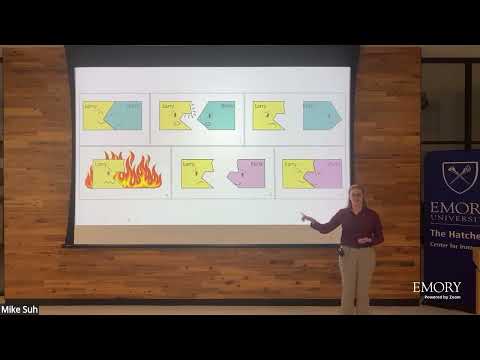
This research investigates how antiviral drug resistance develops by examining structural changes in viral proteins. Using protein crystallography, it identified why SARS-CoV-2 mutations prevent Paxlovid binding and discovered two compounds capable of inhibiting resistant viruses. The findings could guide development of more effective antivirals against future drug-resistant viral infections.

This research develops a method to deliver EGCG, a green tea compound known to break apart Alzheimer's-related protein tangles, into the brain. By chemically attaching EGCG to a carrier that can cross the brain's protective barrier, the project aims to create a potential therapeutic strategy for slowing memory loss and disease progression.
2026
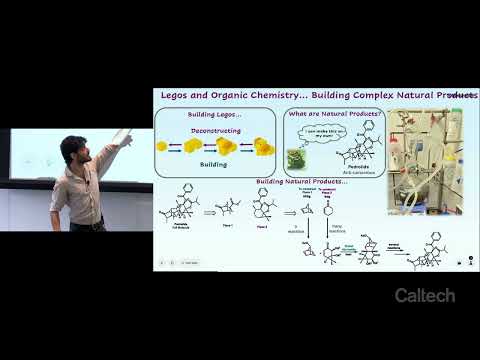
This research focuses on the total synthesis of natural products, biologically important molecules produced by nature. Using pedrolide, an anticancer compound, as a case study, the work applies strategic molecular “deconstruction” to identify simple building blocks and develop laboratory methods for assembling complex natural molecules through innovative organic chemistry.

This research explores endophytes—fungi living symbiotically within plants—that produce bioactive compounds aiding plant defense and growth. These compounds have led to major medical breakthroughs like antibiotics and immunosuppressants. Studying endophytes in crops may uncover new drugs and agricultural benefits, highlighting nature’s vast, largely untapped biochemical potential.
2026
This research develops methods to insert radioactive carbon isotopes into drug molecules, allowing scientists to track how medicines move, transform, and are eliminated in the body. By using catalysts to precisely label drugs, researchers can better understand drug behaviour and accelerate the development of safer, more effective medicines.
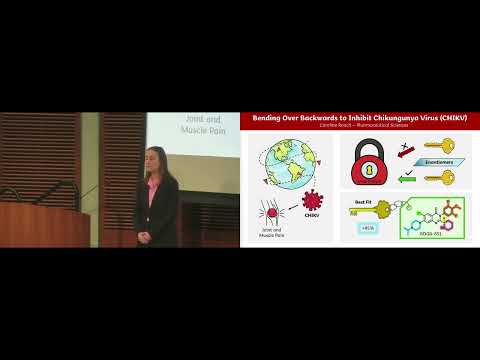
This research develops small-molecule treatments for chikungunya virus using a lock-and-key approach targeting viral proteins. A key challenge—molecular orientation (enantiomers)—was addressed with a new synthesis method producing over 95% effective molecules. The optimized compound, BDGR-651, shows promise as a future antiviral treatment for this debilitating disease.
2025
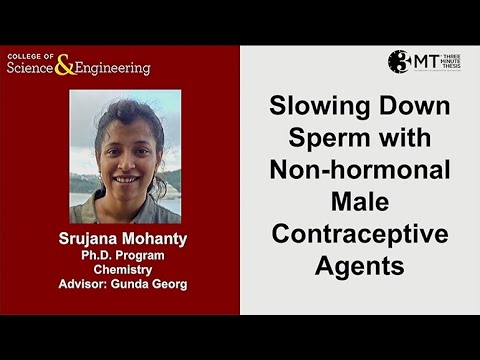
This research develops a non-hormonal male contraceptive by blocking two sperm proteins, Catsper and SLO3, that enable hyperactivated “power swimming” required for fertilization. By designing molecules that inhibit these proteins, the project aims to create a safe, reversible contraceptive option that avoids hormonal side effects.
The talk explains how drug discovery struggles with the enormous size of chemical space, where only a few molecules become effective medicines. Using miniaturized chemical libraries and off-rate screening, the researcher accelerates structure–activity relationships (SAR) mapping without purification. This approach has already produced promising breast-cancer drug candidates and could dramatically reduce drug-development costs.

This project uses virtual reality to turn drug design into a spatial puzzle game. By fitting molecular “drug” shapes into protein grooves—much like Tetris—players can exploit human spatial intuition to explore new treatments. Using Nano Simbox software, VR proved over ten times more effective than other platforms for complex molecular tasks.