About 8% of the human genome originates from ancient viruses. This research uses bioinformatics and evolutionary comparisons to understand why viral DNA persists and how cells silence it through DNA methylation. Identifying how genomes separate useful from non-functional DNA helps clarify which genetic elements matter for human health and disease.

This research uses a computational method called MELT to identify hidden allosteric pockets in shape-shifting proteins like BCR–ABL kinase. By targeting these pockets, drugs can stabilize inactive protein states, overcoming resistance caused by protein flexibility and enabling more effective, adaptable strategies for drug discovery.

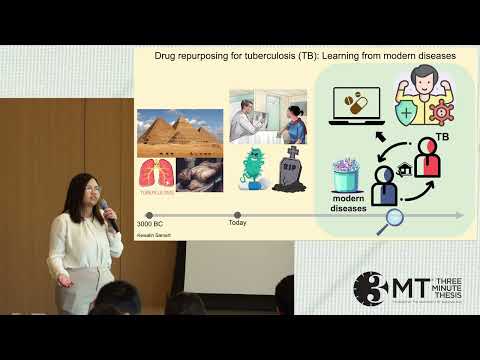
Tuberculosis remains deadly despite relying on decades-old antibiotics. This research uses computational methods to identify immune response similarities between TB and other diseases, enabling drug repurposing. By borrowing already approved treatments, this approach aims to restore immune balance, combat drug resistance, and accelerate the development of new TB therapies.

This research introduces a computational method that detects up to one trillion RNA viruses hidden in standard RNA-sequencing data. By targeting protein signatures shared across all RNA viruses, the approach reveals viral RNA that previously went unnoticed. This enables large-scale viral discovery, tracking, and potential breakthroughs in understanding disease mechanisms.

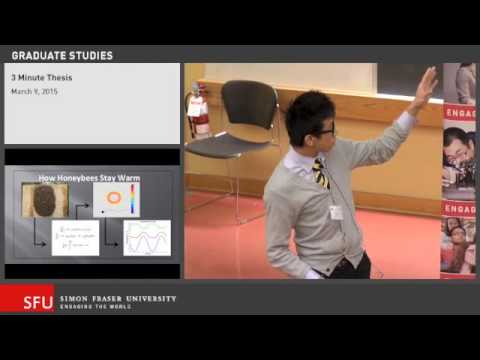
This research develops mathematical models to understand how honeybee clusters survive extreme cold without their hive. Using temperature and density equations, the model predicts how bees move, generate heat, and form insulating layers. Accurate simulations could reduce harmful field experiments and provide biologists with a powerful tool for studying bee behaviour.

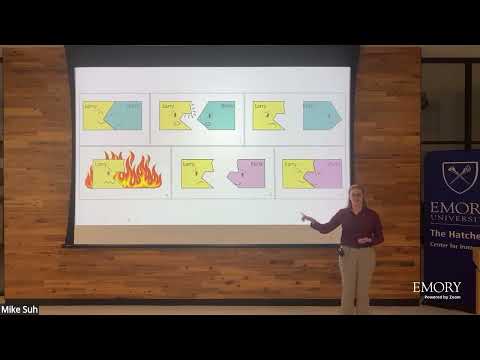
This project uses virtual reality to turn drug design into a spatial puzzle game. By fitting molecular “drug” shapes into protein grooves—much like Tetris—players can exploit human spatial intuition to explore new treatments. Using Nano Simbox software, VR proved over ten times more effective than other platforms for complex molecular tasks.

This research develops a Minesweeper-inspired algorithm to identify and remove non-essential genes from Mycoplasma genitalium, the smallest known self-replicating organism. The algorithm eliminated 35% of the genome in simulation, offering a path to record-breaking minimal cells and improving bacterial strains used to produce antibiotics, vaccines, fuels, and climate-solution technologies.