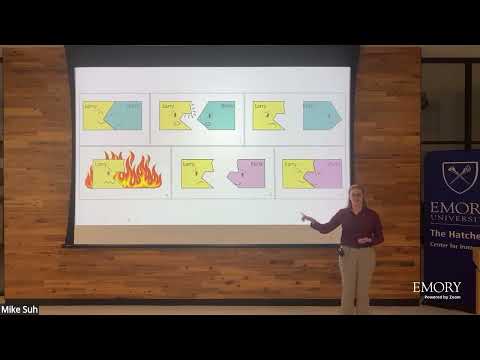
This research investigates how antiviral drug resistance develops by examining structural changes in viral proteins. Using protein crystallography, it identified why SARS-CoV-2 mutations prevent Paxlovid binding and discovered two compounds capable of inhibiting resistant viruses. The findings could guide development of more effective antivirals against future drug-resistant viral infections.
This research develops orally administered nanoparticle therapies for metronomic chemotherapy in ovarian cancer. By delivering smaller drug doses directly to tumours over extended periods, it aims to reduce side effects, overcome drug resistance, improve patient quality of life, and make long-term cancer treatment easier and more effective.
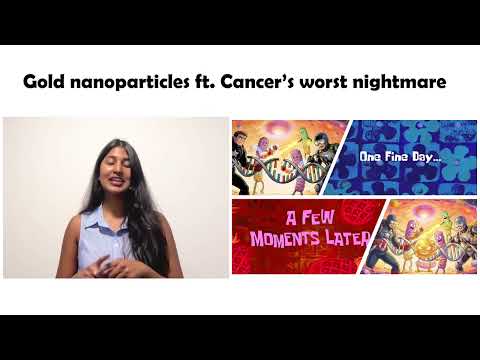
This research develops gold nanoparticles coated with peptides to block DNA repair in colorectal cancer cells, helping overcome drug resistance. Laboratory studies show the treatment dramatically reduces cancer cell survival after radiation while minimising toxicity. The approach could provide a safer, more effective therapy for colorectal cancer and other drug-resistant cancers.
2026
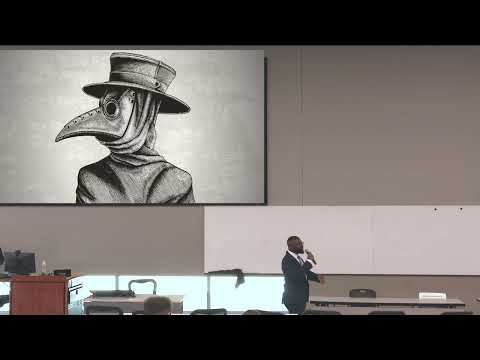
This talk traces the devastation of the Black Death to highlight a modern crisis: antibiotic resistance. Misuse of antibiotics accelerates the rise of superbugs. Using AI and machine learning, the research identifies genetic resistance patterns and guides effective treatments, aiming to improve clinical decisions and prevent a return to a pre-antibiotic era.
This PhD thesis defence uses high-throughput CRISPR variant engineering to study how cancer mutations drive tumour behaviour. A prime-editing sensor enables efficient functional screening of ~1,000 TP53 patient variants, revealing effects missed by cDNA overexpression. Directed base-editing screens map resistance mutations across CDKs and drug modalities, predicting clinically relevant therapy response.
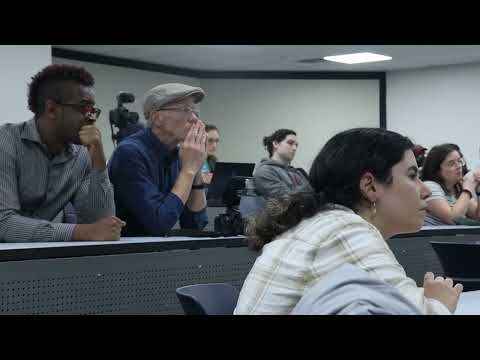
Cancer often becomes resistant to treatment due to the protein CDK8, which helps reprogram cancer cells. Traditional inhibitors fail because CDK8 still acts as a structural scaffold. This research develops targeted degraders that use the cell’s recycling system to eliminate CDK8 entirely, preventing resistance and improving future cancer therapies.
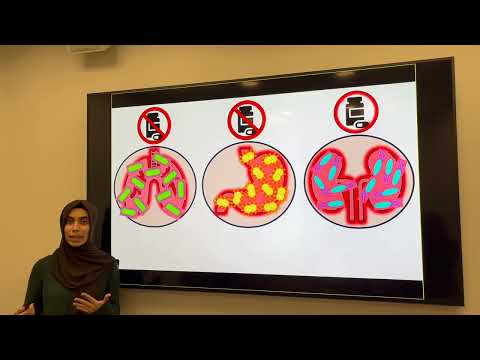
This research investigates how bacteria develop resistance to antibiotics, a growing global health threat. By identifying resistant bacteria and analysing how they chemically modify antibiotics, the work aims to uncover resistance mechanisms. These insights are essential for preserving antibiotic effectiveness and safeguarding treatments against life-threatening infections.
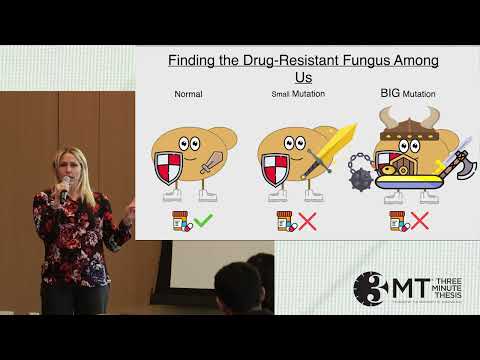
Fungal infections are becoming harder to treat as fungi rapidly evolve resistance to limited antifungal drugs. This research reveals that large, multi-gene mutations—once overlooked—are common in resistant fungi. Understanding these dramatic genetic changes is critical for developing more effective antifungal therapies.
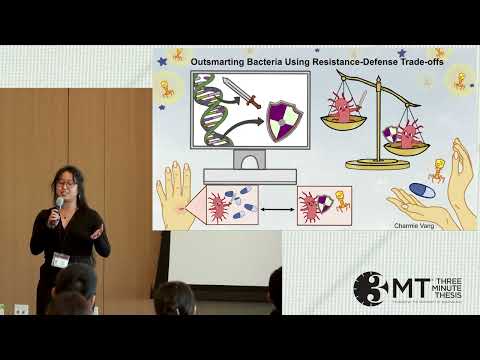
Antibiotic resistance threatens to return medicine to a pre-antibiotic era. This research uses machine learning to study how bacteria balance resistance to antibiotics and bacteriophages. By revealing genetic trade-offs between attack and defense, the work enables smarter combination therapies that exploit bacterial weaknesses and prevent otherwise deadly infections.
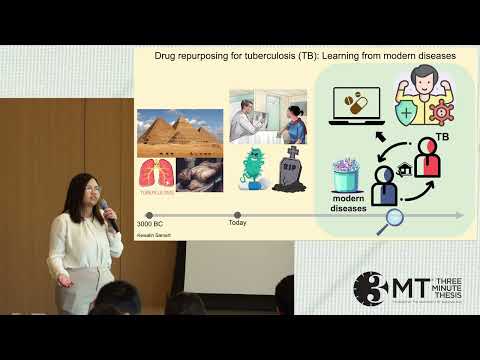
Tuberculosis remains deadly despite relying on decades-old antibiotics. This research uses computational methods to identify immune response similarities between TB and other diseases, enabling drug repurposing. By borrowing already approved treatments, this approach aims to restore immune balance, combat drug resistance, and accelerate the development of new TB therapies.