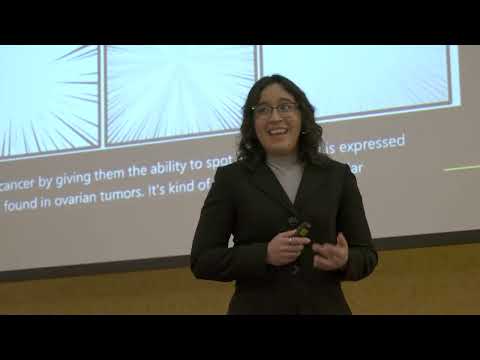
This research engineers immune T cells to better fight ovarian cancer. By modifying them to recognize tumor-specific proteins and resist cancer’s suppressive signals, the project strengthens the body’s natural defenses. The goal is to improve immunotherapy effectiveness, overcome tumor resistance, and increase survival rates for women facing this deadly disease.

This research investigates how a gonorrhea protein is processed in E. coli using cellular signal sequences, which act like "ZIP codes" directing the protein to its proper location. By identifying effective signal sequences, the study informs potential molecular targets for earlier detection and better treatment, aiming to prevent gonorrhea-related infertility and improve women's reproductive health.


This research examines whether emotional sensitivity in women varies across the menstrual cycle by studying the interaction of sleep, hormones, and time. By tracking emotional memory at multiple cycle stages, the work aims to replace stereotypes with evidence and address long-standing gaps in women’s health and cognitive research.

This research develops a risk-based model to prioritize gallbladder surgery for women with gallstones in high-risk regions. Using ultrasound and clinical data from Chilean women, the model predicts gallbladder cancer risk, enabling life-saving triage, earlier intervention for high-risk patients, and avoidance of unnecessary surgery.

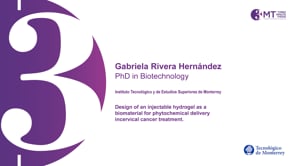
This research explores an injectable, thermosensitive hydrogel to deliver plant-based anticancer drugs for cervical cancer. By stabilizing phytochemicals and enabling localized, controlled release, the hydrogel significantly improves tumor cell killing while reducing side effects, offering a more patient-centered and effective treatment strategy.

This research designs bespoke, lightweight 3D-printed breast prostheses for women after mastectomy. Using body scanning and personalised materials, the prostheses improve comfort, symmetry, and fit compared to standard silicone forms. The project aims to help women move from surviving breast cancer to thriving with confidence and comfort.

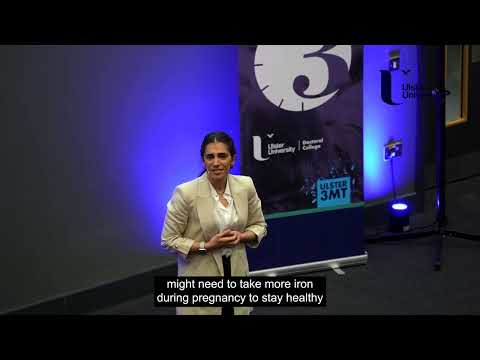
This research examines iron deficiency in pregnancy, focusing on women with obesity who may struggle to absorb iron despite adequate intake. Findings show widespread deficiency even with supplementation. Ongoing trials test higher, better-tolerated doses to tailor iron recommendations and prevent maternal exhaustion and long-term harm to mothers and babies.

Migraine affects over 10% of people and disproportionately impacts women. This research studies sex differences in brain circuits using mouse models to understand why. By manipulating neural pathways, findings show certain circuits trigger migraine-like sensitivity only in females. Mapping these circuits may enable personalized, more effective migraine treatments.

Uterine cancer deaths continue to rise despite advances in other cancers. Many patients who cannot undergo surgery rely on progestin therapy, which often fails. This research tests dozens of progestins on patient tumor and immune cells, identifying five more effective candidates. The goal is safer, personalised, fertility-preserving treatment for women with uterine cancer.

This research investigates a novel two-drug therapy for ovarian cancer that kills cancer cells without harming healthy tissues and partially reactivates the suppressed immune system. The PhD work explores how this immune “reawakening” occurs, aiming to identify new strategies to enhance it and create more effective, resistance-proof treatments.